Last Updated: October 28, 2026
Quick Summary
The best way to avoid a bad mechanic is to choose your shop before your car breaks down, because picking one during an emergency is how people get burned. Verify ASE certifications, read reviews for patterns rather than star ratings, and ask for a written, itemized estimate before any work begins.
- Ask which technicians hold current ASE status before you commit to a shop.
- Watch for red flags like no written estimate, vague diagnoses, and pressure to decide now.
- Get every estimate itemized and compare parts, labor, and diagnostic fees line by line.
- Get a second opinion when the repair is expensive and the diagnosis is unclear.
- Keep a folder per vehicle with the estimate, invoice, and repair order number.
Table of Contents
- Start With a Shop You Can Verify Before You Need It
- Auto Repair Shop Red Flags to Watch For
- Questions to Ask a Mechanic Before Repair Work Begins
- How to Compare Auto Repair Estimates Line by Line
- How to Verify a Diagnosis and Know When to Get a Second Opinion
- What to Do If a Mechanic Overcharges You
- Keep Records, Verify the Repair, and Understand Warranty vs. Out-of-Pocket
- Book an Honest Assessment at Performance Automotive and Tire Center
- Frequently Asked Questions
Start With a Shop You Can Verify Before You Need It
The best way to avoid a bad mechanic is to choose your shop before your car breaks down. Picking a shop during an emergency is how people get burned.
A bad mechanic is not just one who charges too much. It is a shop that skips diagnosis, sells repairs you do not need, or cannot explain what it did.
Here is how to spot a shop you can trust, in order, before you ever need one.
Check Certifications and Look for ASE-Certified Technicians
Ask which technicians hold current ASE status.
If you want a head start, you can find ASE certified mechanic Mesa AZ options and compare shops side by side before you commit.
Read Reviews for Patterns, Not Just Star Ratings
A single angry review means little. Three reviews that all mention “they added charges I did not approve” means everything. Read for patterns, not scores.
Look for reviews that mention:
- A written estimate before work started
- Clear explanations of what failed and why
- How the shop handled a problem after the repair
Repeated stories about surprise charges or repeat visits for the same problem are a warning.
Auto Repair Shop Red Flags to Watch For
Red flags are behaviors, not appearances. A messy waiting room tells you nothing about honesty. How the shop talks about your car tells you plenty.
Watch for these:
- No written estimate. Any shop that quotes a number out loud and starts work is a problem.
- Pressure to decide now. “This price is only good today” is a sales tactic, not a safety warning.
- Vague diagnoses. “It’s your transmission” with no explanation of the failed part is not a diagnosis.
One red flag is a question. Two or three together mean walk away.
Questions to Ask a Mechanic Before Repair Work Begins
Ask these before you approve anything. The answers tell you more than the shop’s signage ever will, treat this as a script, not a quiz.
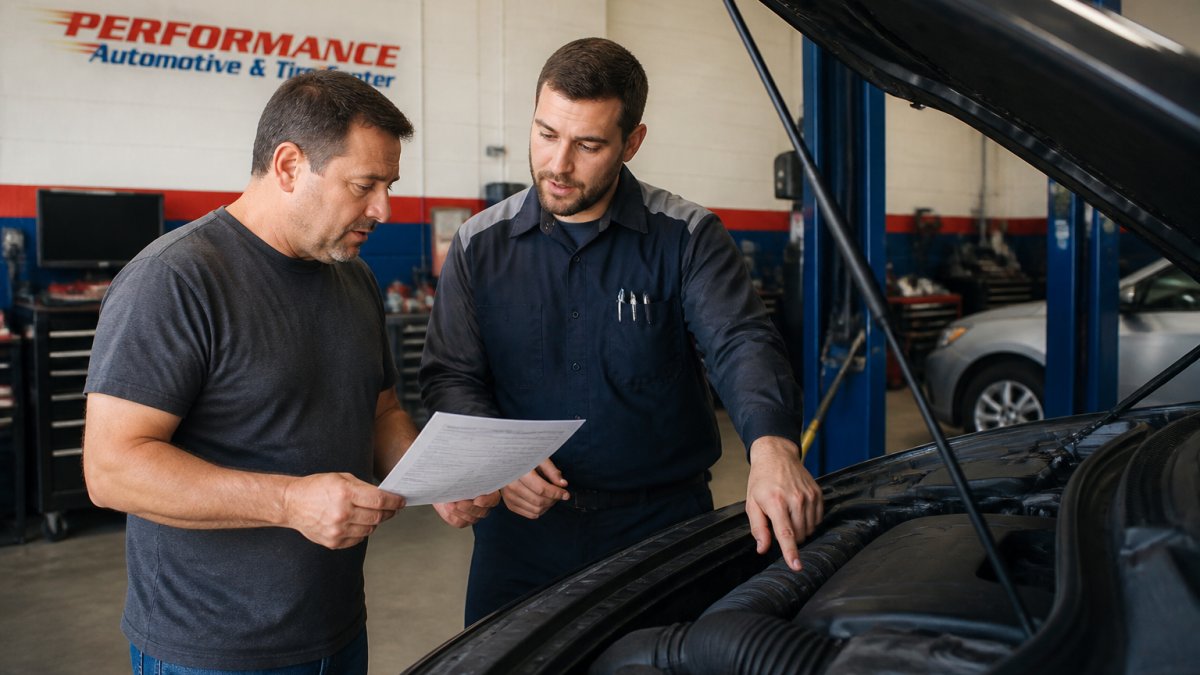
The Seven Questions, and What a Real Answer Sounds Like
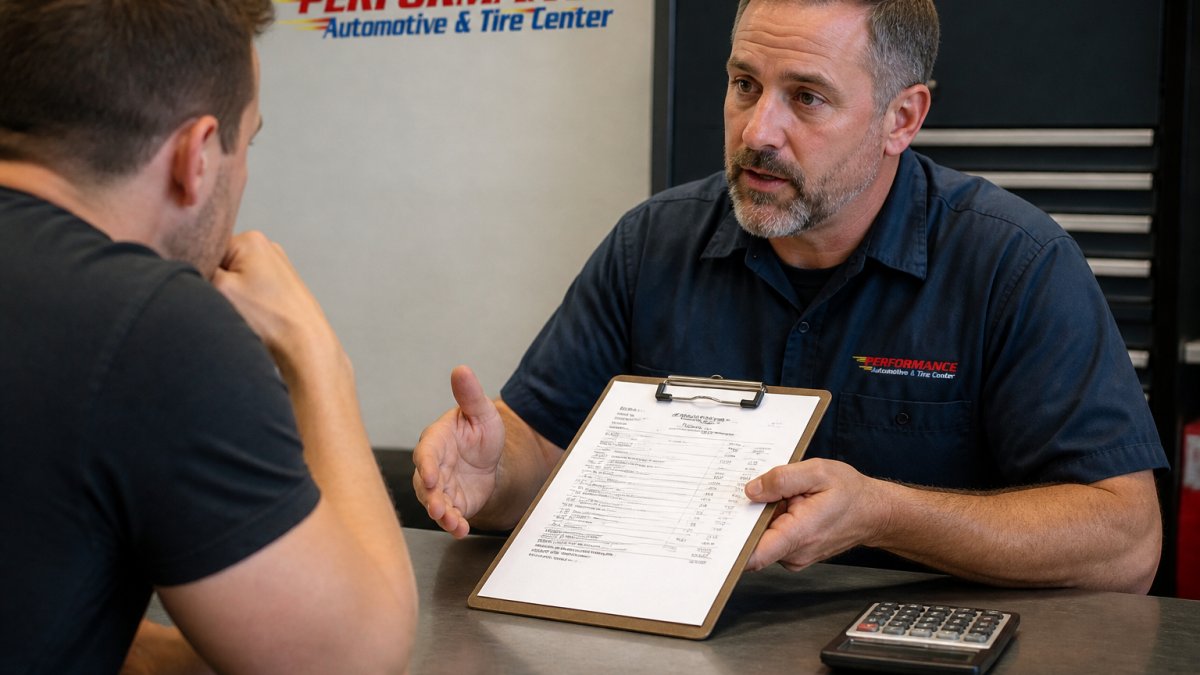
- “Can I get a written, itemized estimate before you start?” A yes is non-negotiable. A real answer: “Yes, we’ll provide it and you approve it before we touch the car.” An evasive answer: “We’ll ballpark it and let you know if anything changes”, that is how surprise charges start.
- “What exactly failed, and how did you test it?” You want a diagnostic answer, not a guess. A real answer names the part, the symptom, and the test, for example, “The code pointed to a misfire on cylinder 3, and we swapped the coil to cylinder 1 and the misfire moved with it, so the coil is failing.” An evasive answer: “It’s throwing a code, it’s probably the transmission.” A technician who cannot describe the test did not run one.
- “Is this a safety issue, a maintenance item, or a convenience?” This separates real urgency from upselling. A real answer puts the item in one bucket and explains why. “Your brake pads are at 2mm, that’s a safety issue; the cabin air filter is due per the manual, that’s maintenance.” An evasive answer treats everything as urgent.
- “Will you call me before doing anything beyond the estimate?” Get this in writing on the repair order. A real answer: “Yes, and we won’t do additional work without a verbal or written approval from you.” Confirm the approval threshold.
- “What happens if the repair does not fix it?” A fair shop stands behind its diagnosis. A real answer: “If the symptom persists, bring it back and we’ll look at it again.” An evasive answer: “We’ll look at it again” with no commitment.
- “Can I see the old parts?” Honest shops say yes without hesitation. Ask them to bag and label the parts with your repair order number. If a shop disposes of parts as policy, ask them to note that on the estimate before you approve.
- “Is there a diagnostic fee, and does it apply to the repair?” Know the cost before you agree. A real answer states the fee and whether it is credited toward the repair if you proceed. Get the number in writing, because diagnostic fees are a common source of post-repair disputes.
Two Follow-Ups That Separate Good Shops From Great Ones
- “Can you show me the service manual interval for this item?” A shop that can pull up the manufacturer’s maintenance schedule is working from the book, not from memory. This is also how you catch an upsell that is not actually due.
- “Who will actually work on my car, and are they ASE-certified for this system?” Some shops route certain jobs to a specialist. Knowing who touches the car and what credential they hold tells you whether the estimate reflects the skill level you are paying for.
Write the answers down on the estimate or in your phone notes. If you need a second opinion later, the first shop’s answers become the baseline you compare against, and a shop that gave vague answers the first time rarely improves on a repeat visit.
A shop that gets defensive about these questions is telling you something. The questions are not a trap; they are a filter.
How to Compare Auto Repair Estimates Line by Line
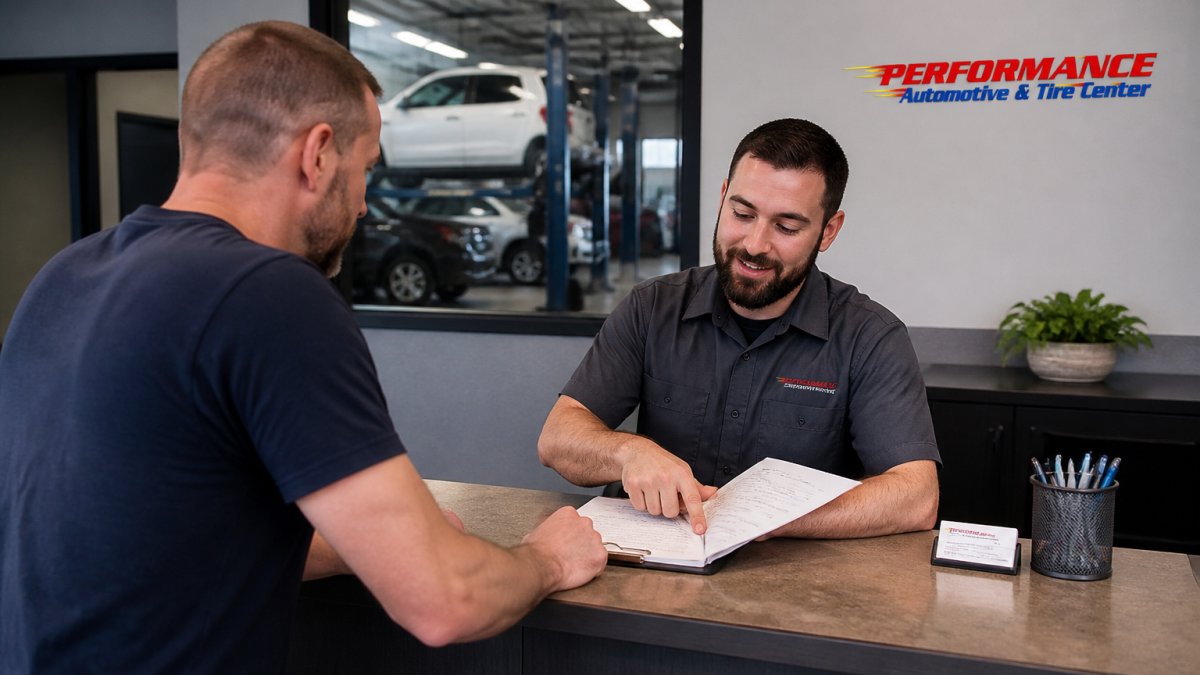
An estimate is a document you read, not a number you accept. Compare every line against what the shop told you and what your owner’s manual recommends.
Parts and Labor: What Belongs on Every Estimate
An estimate can break parts and labor into separate lines. You can ask whether each part is OEM or aftermarket, and ask for the hours and labor rate for each labor line.
| Line Item | What to Check | Why It Matters |
|---|---|---|
| Parts | OEM vs. aftermarket, part number shown | Price and fit differ; you should know which you are buying |
| Labor | Hours listed, rate stated | You can compare hours against the service manual |
| Diagnostic fee | Stated up front, applied to repair or not | Prevents surprise charges later |
| Fluids and shop supplies | Itemized, not bundled | Bundled fees hide markup |
| Taxes and disposal fees | Separated and explained | Legitimate, but should be visible |
If estimates for the same job differ, ask why. If one is far lower, ask what it leaves out.
Call us at 480-924-7444 today! →
For a deeper walkthrough, this guide on how to verify mechanic repair estimates breaks down each line before you approve work.
How to Verify a Diagnosis and Know When to Get a Second Opinion
A diagnosis is a claim, and claims can be checked. Ask the technician to explain the failed part, how it was tested, and what symptom pointed to it. If the explanation is vague or changes each time you ask, get a second opinion.
Get a second opinion when:
- The repair is expensive and the diagnosis is unclear
- The shop cannot show you the failed part or a test result
- The recommended repair does not match the symptom you described
What to Do If a Mechanic Overcharges You
Start with the invoice. Compare the final bill to the written estimate you approved. If the shop did work you never authorized, or charged more than the estimate without calling you, raise the issue with the shop.
Take these steps:
- Ask for an itemized explanation in writing. Get the breakdown of every charge.
- Request the old parts. This confirms the work was actually done.
- Put your complaint in writing to the shop owner, not just the service writer.
- Check your state’s consumer protection office. Many states regulate auto repair and require written estimates.
Keep copies of everything: the estimate, the invoice, and your messages. Documentation can help you keep track of a complaint.
Keep Records, Verify the Repair, and Understand Warranty vs. Out-of-Pocket
The repair is not finished when you drive away. Three habits close the loop: verify the work, keep a record, and know who pays for what.
Post-Repair Verification: A 10-Minute Checklist Before You Leave the Lot
If something is wrong, raise it with the shop promptly.
- Recreate the symptom. Drive the same route or conditions that caused the original problem. If the noise, warning light, or vibration is still there, turn around and go back before you leave.
- Check the warning lights. Start the car and confirm no new dashboard lights appeared. If a light that was off before the repair is on afterward, raise it with the shop.
- Check fluid levels and caps. Look under the hood for the oil, coolant, brake, and washer fluid levels, and confirm every cap is seated. Check for loose caps or low fluid after a repair.
If the shop cannot or will not show you the replaced parts after agreeing to, ask the shop about it.
A Simple Record-Keeping System That Pays Off Later
You do not need an app to do this well. The minimum is a folder, paper or digital, with one entry per service visit containing:
- The date and mileage at the time of service.
- The repair order number and the shop’s name and phone number.
- The itemized invoice and the approved estimate.
- A one-line note on what was fixed and whether the symptom returned.
This record gives you a history of the work performed and a paper trail if you need to discuss a charge.
Warranty vs. Out-of-Pocket: Who Actually Pays
Before you approve a repair, ask whether the item is covered by a warranty you already have.
- Manufacturer warranty (new-vehicle or extended). Covers defects in materials or workmanship for a set period or mileage. If a failed part is covered, the repair should generally be done at a dealership or authorized facility, and you may owe only a deductible. A common mistake is paying a independent shop out of pocket for a repair the manufacturer would have covered.
- Shop warranty on the repair. Covers the specific part and labor the shop just performed, for a stated period. It usually does not cover unrelated failures or wear items. Read the terms on the invoice before you assume.
- Parts warranty. The part manufacturer may warranty the component separately. Ask whether the shop passes that through and how a claim is handled.
Verify the repair, keep one folder per vehicle, and ask “who pays for this, the manufacturer, the shop, or me?” before you approve.
For more, see this guide on signs your mechanic is overcharging you and this breakdown of nationwide auto warranty coverage.
Book an Honest Assessment at Performance Automotive and Tire Center
Finding a shop you can trust should not feel like a gamble. Our family-owned shop is staffed by ASE-certified technicians. We offer free estimates and free loaner cars, and our nationwide warranty backs the work we do.
If you want a shop you can verify before you need it, this step-by-step guide on how to choose a reliable local mechanic walks you through it.
Frequently Asked Questions
How can I tell if a mechanic is trustworthy?
Look for verifiable signals before you hand over the keys: ASE-certified technicians. Reviews and a service history can also help you assess a shop.
What questions should I ask a mechanic before approving repairs?
Ask what the diagnosis is and how the technician confirmed it. You can also ask about the estimate, parts, labor, timing, authorization, and warranty terms.
Can a mechanic perform repairs without my approval?
Ask the shop how it handles additional work and review the invoice against the work you approved. Keep a record of what you approved.
What should I do if I think a repair shop did a bad job?
Start with documentation: gather your invoice, estimate, and any warranty paperwork, then contact the shop and describe the problem. You can also seek a second opinion.
Your car should not cost you peace of mind. Get an honest assessment from Performance Automotive and Tire Center, with ASE-certified technicians, free estimates, free loaner cars, and a nationwide warranty on our work. Call 480-924-7444 to book your appointment and get back on the road with confidence.
Tags: auto repair shop red flags, bad mechanic, how to avoid bad mechanic experiences, how to compare auto repair estimates, questions to ask a mechanic before repair