
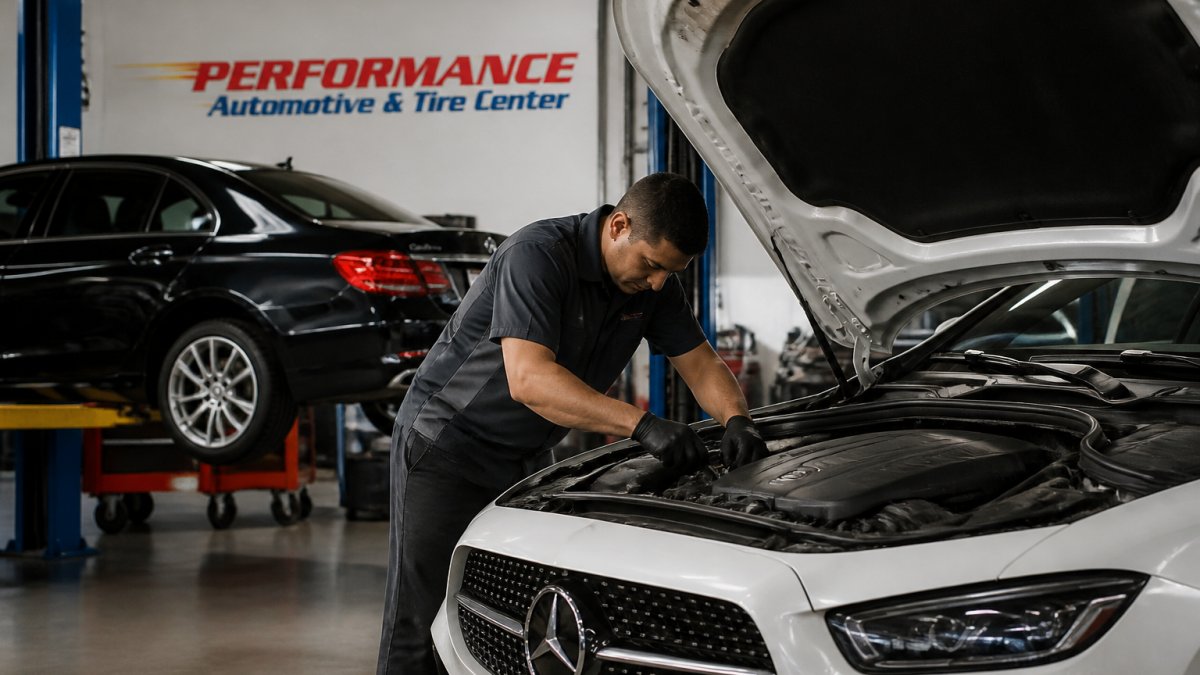
Last Updated: October 23, 2026
Quick Summary
Luxury car maintenance alternatives to dealerships include independent mechanics who often charge 30-50% less for routine maintenance while offering flexible scheduling and transparent service. Finding the right independent shop requires verifying ASE certification, brand-specific training, modern diagnostic equipment, and checking references from other luxury car owners.
- Dealership labor rates and OEM parts cost significantly more than independent shops for routine maintenance like oil changes and filter replacements.
- Independent mechanics typically service multiple luxury brands and develop broad expertise across platforms, though dealerships have factory diagnostic software and brand-specific training.
- ASE Master certification and brand-specific manufacturer training are essential credentials to verify before choosing an independent shop for luxury vehicle service.
- Service records from independent shops should be documented in writing with date, mileage, parts replaced, and labor hours to preserve resale value and warranty coverage.
- Independent shop work is typically covered by a 12-month or 12,000-mile nationwide warranty, which is less comprehensive than manufacturer warranty coverage from dealerships.
Table of Contents
- Why Owners Seek Alternatives to Dealership Maintenance
- Dealership vs. Independent Mechanic: What Sets Them Apart
- Independent Mechanic for Luxury Cars: Finding the Right Shop
- Understanding Luxury Car Maintenance Cost Across Service Options
- Manufacturer-Recommended Maintenance Schedule and Service Records
- Warranty Coverage and Service Documentation: What You Need to Know
- Making the Switch: Key Questions to Ask Before Choosing an Alternative
- Conclusion
- Frequently Asked Questions
Why Owners Seek Alternatives to Dealership Maintenance
Dealership service departments have long been the default choice for luxury car owners, though luxury car maintenance alternatives are increasingly appealing. Yet many are now looking elsewhere. The reasons are straightforward: cost, convenience, and trust.
Luxury car maintenance at dealerships carries premium pricing. Labor rates run high, and parts often cost significantly more than aftermarket alternatives. Beyond price, dealership schedules can be rigid. You book weeks in advance, wait hours in a lounge, and rarely get a loaner car on the spot. For busy professionals, this friction adds up quickly.
The real tension, though, is about honesty. Dealerships operate on volume and upselling. When your car rolls in, the service advisor has incentive to recommend work you may not need. At Performance Automotive and Tire Center, we offer transparent assessments without pressure tactics.
Owners of older luxury models face another constraint. Dealerships sometimes refuse to service vehicles past a certain age or mileage threshold. They’d rather you buy new. Independent shops welcome these cars and often understand their quirks better than franchise technicians who rotate through brands.
Dealership vs. Independent Mechanic: What Sets Them Apart
The gap between dealership and independent service goes deeper than price. It’s about expertise, flexibility, and how problems get solved.
Dealerships employ technicians trained specifically on their brand. A BMW dealership technician knows BMW systems inside out. They have factory diagnostic software, access to technical bulletins, and parts availability that independents cannot match.
Independent mechanics, by contrast, typically service multiple brands. A skilled independent who specializes in luxury vehicles develops broad expertise across platforms. They’ve seen common failure patterns across different manufacturers. They improvise solutions using universal tools and aftermarket parts.
The real difference emerges in how each handles diagnostic uncertainty. Dealerships follow factory repair procedures step-by-step. If the manual doesn’t cover your specific issue, they escalate to the manufacturer. Independents troubleshoot differently.
Warranty and documentation matter more than many owners realize. Dealership work is always documented in the manufacturer’s system. If you sell the car, that service history adds resale value.
Cost typically favors independents by 30-50% on routine maintenance. On specialized repairs, the gap narrows. Some jobs, transmission rebuilds, electronic module programming, may only be possible at a dealership.
Independent Mechanic for Luxury Cars: Finding the Right Shop
Not all independent shops are equal. Finding one qualified to handle your luxury vehicle requires real vetting.
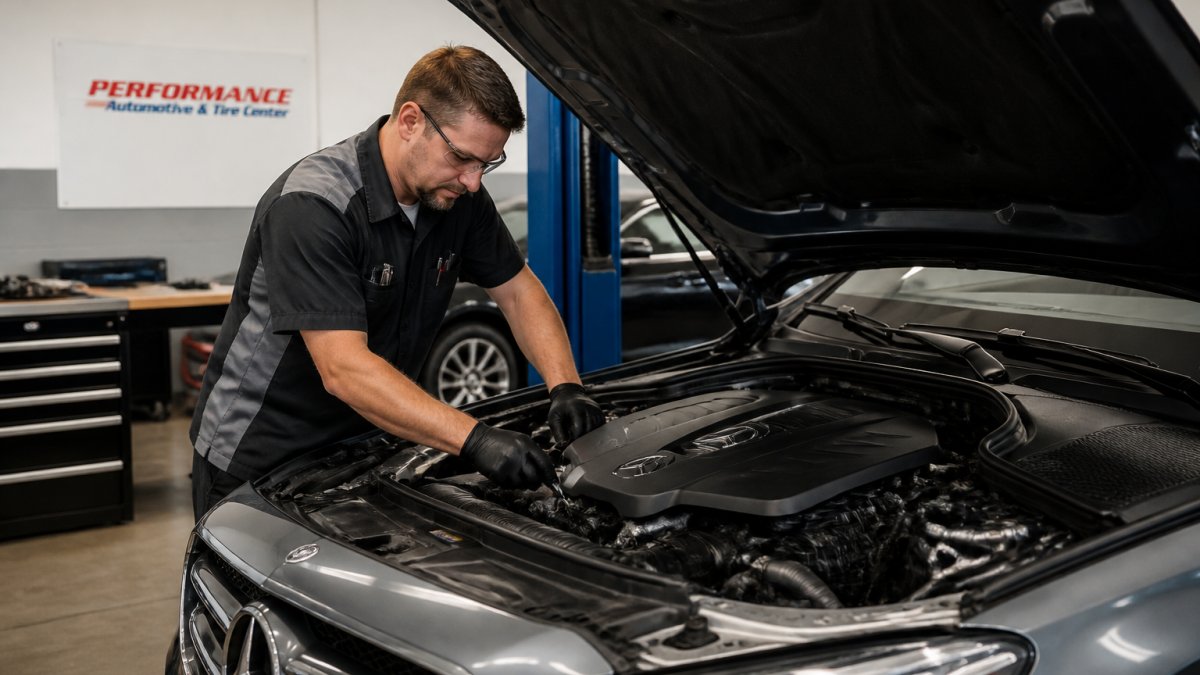
Start by asking for ASE certification. The National Institute for Automotive Service Excellence (ASE) sets the standard (About ASE). Technicians who hold ASE Master certification have passed rigorous exams across multiple automotive systems. This credential means they understand modern vehicles at a technical level that matters.
Look for shops that specialize in luxury brands or maintain a consistent client base of high-end vehicles. A shop that works on Audis, BMWs, and Mercedes regularly develops deep familiarity with their systems. Ask how long the shop has been in business and whether the owner is the lead technician.
Check whether the shop has invested in diagnostic equipment. Modern luxury cars require computer-based diagnostics. A shop with outdated scan tools will miss problems or misdiagnose them. Ask what diagnostic platforms they use. If they can’t name them, move on.
Vetting ASE Certification and Brand-Specific Training
ASE certification is necessary but not sufficient. Verify that the technician holds current certification in the systems relevant to your vehicle. An ASE Master Technician with expertise in transmissions may not be the right person for electrical diagnostics.
Brand-specific training matters for complex systems. BMW, for example, requires specialized training for their iDrive infotainment systems and electronic chassis controls. Mercedes uses proprietary software for engine management. Audi’s Quattro all-wheel-drive system has unique service requirements. A good independent shop either employs technicians with this training or partners with specialists who do.
Ask the shop directly: “What brand-specific training do your technicians have?” and “Have they completed manufacturer-approved courses?” Legitimate shops keep records and will share them. If a shop is evasive or claims they don’t need brand-specific training, that’s a red flag.
Evaluating Diagnostic Equipment and Tools
Diagnostic equipment separates competent shops from guesswork operations. Modern luxury vehicles store hundreds of diagnostic codes. A basic code reader tells you something is wrong. A factory-level diagnostic scanner tells you exactly what and why.
The best independent shops use multi-brand diagnostic platforms like Bosch, Snap-on, or Autel. These tools read manufacturer codes and access technical data across brands. Some shops also subscribe to manufacturer portals, BMW’s TIS, Mercedes’ ASRA, which give real-time access to factory repair procedures and software updates.
Ask what happens when they encounter an unfamiliar problem. Do they consult technical databases? Do they have relationships with specialists they can call? A shop that says “I’ve never seen that before, but I’ll figure it out” is honest. A shop that guarantees a fix without diagnosis is not.
Understanding Luxury Car Maintenance Cost Across Service Options
Maintenance costs vary wildly depending on where you go and what gets done. Understanding the breakdown helps you make informed choices.
Routine maintenance, oil changes, filter replacements, brake inspections, fluid top-ups, costs significantly less at independent shops. You can typically expect to save 30-40% compared to dealership pricing on these services. An oil change at a dealership might run $150-200.
Unexpected repairs are where costs diverge most. A transmission diagnostic at a dealership might cost $200-300. An independent shop with the right equipment might charge $100-150. But if the independent misdiagnoses the problem, you’ve wasted money and time.
Specialized repairs, engine rebuilds, electronic module reprogramming, transmission overhauls, often require dealership-level equipment and expertise. Here, the cost difference narrows or reverses.
Parts sourcing affects total cost too. Dealerships use only OEM (original equipment manufacturer) parts. Independents use OEM, aftermarket, and remanufactured parts depending on the job and your preference. OEM parts cost more but carry manufacturer backing.
Call us at 480-924-7444 today! →
The real cost is total cost of ownership over time. A cheap repair done wrong costs you twice. A slightly more expensive repair done right costs you once.
Manufacturer-Recommended Maintenance Schedule and Service Records
Your vehicle’s manufacturer publishes a maintenance schedule for good reason. Following it preserves performance and resale value.
Most luxury cars require service every 10,000 miles or 12 months, whichever comes first. Some newer models with synthetic oil stretch to 15,000 miles. The schedule specifies what gets checked, replaced, and serviced at each interval. Ignoring it voids some warranty protections and creates liability if something fails prematurely.
Service records matter more than most owners realize. When you sell a luxury vehicle, buyers want proof of maintenance. A complete service history, whether from a dealership or an independent shop, adds thousands of dollars to resale value.
Keep all service records, whether digital or paper. If you switch shops, bring your records with you. A new mechanic needs to know what’s been done and when. This continuity prevents duplicate work and ensures nothing gets missed.
If you service at an independent shop, request that work be documented in writing. Include the date, mileage, work performed, parts replaced, and labor hours. Ask for digital copies you can store. This documentation becomes your proof of maintenance if disputes arise later.
Warranty Coverage and Service Documentation: What You Need to Know
Warranty coverage depends on where you service your vehicle. Understanding the implications prevents costly surprises.
Dealership work is covered by the manufacturer’s warranty. If something fails within the warranty period, the dealership fixes it at no cost. This protection is valuable, especially for complex systems like transmissions or electronics.
Independent shop work is typically covered by a separate warranty, often a nationwide warranty offered by the shop or a third-party provider. These warranties usually cover parts and labor for 12 months or 12,000 miles.
Here’s the critical part: if you have independent work done and the part fails, the manufacturer may refuse to cover subsequent damage. Example: an independent shop replaces your transmission. Two months later, the transmission fails again.
Service documentation becomes your protection. If an independent shop documents the work properly and uses quality parts, you have recourse if something goes wrong. Poor documentation leaves you exposed.
Ask any shop about their warranty terms before authorizing work. Get it in writing. Understand what’s covered, for how long, and what happens if the part fails again.
Making the Switch: Key Questions to Ask Before Choosing an Alternative
Switching from a dealership to an independent shop requires confidence. Ask these questions to build it.
1. How long have you been in business, and do you specialize in luxury vehicles?
Longevity and specialization matter.
2. What certifications do your technicians hold, and are they current?
ASE certification is the baseline. Ask for specifics: which technicians hold Master certification?
3. What diagnostic equipment do you use, and can you access manufacturer technical data?
The answer reveals whether they can handle complex problems.
4. Can you provide references from other luxury car owners?
Ask for names of customers with the same vehicle make. Call them.
5. What’s your warranty on parts and labor, and how long does it last?
Legitimate shops stand behind their work.
6. Do you provide loaner cars while mine is being serviced?
This convenience matters for busy owners.
7. How do you handle service documentation, and can I access it digitally?
You need records you can keep and share.
8. What happens if I’m unhappy with the work?
Reputable shops have a process for addressing complaints. They’ll re-do work at no cost if you’re dissatisfied.
Conclusion
Switching from dealership maintenance to luxury car maintenance alternatives is a practical decision that can save money and reduce friction. The key is choosing the right shop. Look for ASE certification, brand-specific expertise, modern diagnostic equipment, and transparent communication. Performance Automotive and Tire Center offers ASE-certified technicians, state-of-the-art equipment, free estimates, free loaner cars, and a nationwide warranty backing every job. Call us at 480-924-7444 today to discuss your vehicle’s needs and get a transparent assessment without pressure.
Frequently Asked Questions
Can an independent mechanic service a luxury car as well as a dealership?
Yes, if the independent mechanic has ASE certification, brand-specific training, and proper diagnostic equipment. Many independent mechanics specialize in luxury cars and offer dealer-quality service at lower costs. The key difference is expertise and equipment, verify certifications, ask about their experience with your specific make and model, and request references from luxury car owners they’ve served.
Will using an independent shop void my car’s warranty?
No. Federal law prohibits manufacturers from voiding your warranty solely because you used an independent repair shop. However, if a defect in independent work causes damage, the manufacturer isn’t liable for that specific repair. Keep detailed service records and use quality parts to protect your coverage. Always ask your independent mechanic to document all work performed.
How much can you save by skipping dealership maintenance for luxury cars?
Savings vary by vehicle make, model, and repair type, but independent mechanics typically charge 20-40% less than dealerships for routine maintenance and repairs. Complex jobs requiring specialized software or dealer-only parts may have smaller savings. Get estimates from both sources for your specific vehicle to understand actual cost differences for your maintenance needs.
What should I compare when choosing a luxury car repair shop?
Compare ASE certifications, brand-specific expertise, diagnostic equipment capabilities, warranty coverage, service records documentation, labor rates for common jobs (oil changes, brake service), and customer reviews. Ask whether they handle software programming and specialized repairs your luxury car may need. Verify they can access manufacturer service bulletins and maintain detailed records for warranty protection.


