Table of Contents
- What Full Service Auto Repair Mesa Drivers Can Expect
- Auto Maintenance Mesa: Building a Schedule That Fits Your Vehicle
- Brake Repair Mesa: Warning Signs and What to Expect
- Engine Diagnostics Mesa: How Modern Troubleshooting Works
- Car Repair Estimates Mesa: Reading a Quote Before You Approve Work
- How to Choose a Trustworthy Mechanic in Mesa
- Warranties, Loaner Cars, and What Happens After the Repair
- Frequently Asked Questions
Last Updated: October 21, 2026
What Full Service Auto Repair Mesa Drivers Can Expect
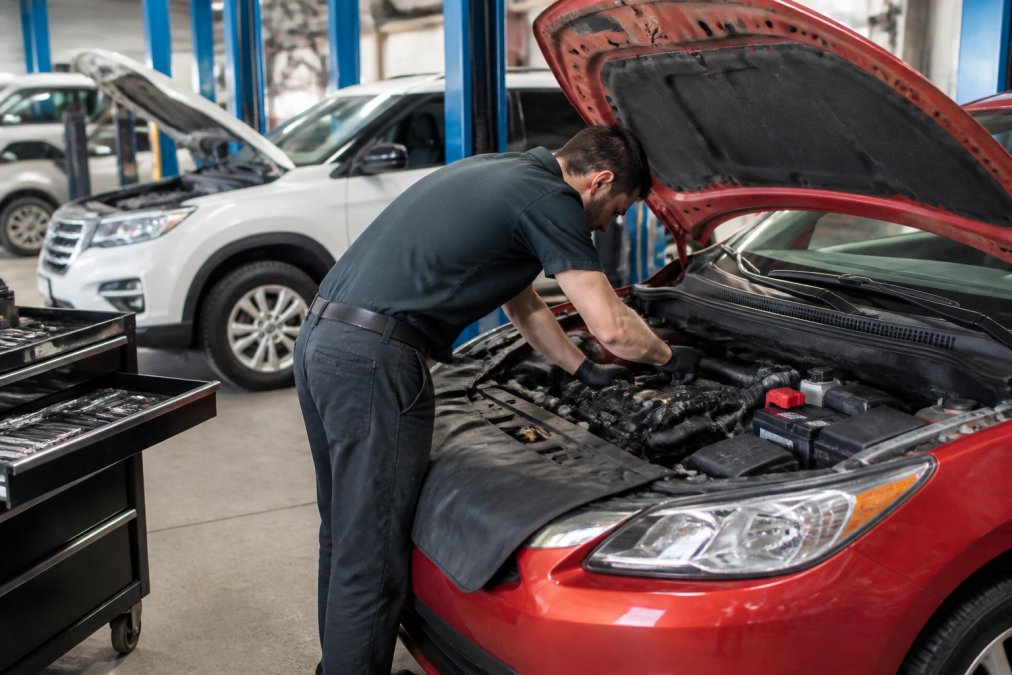
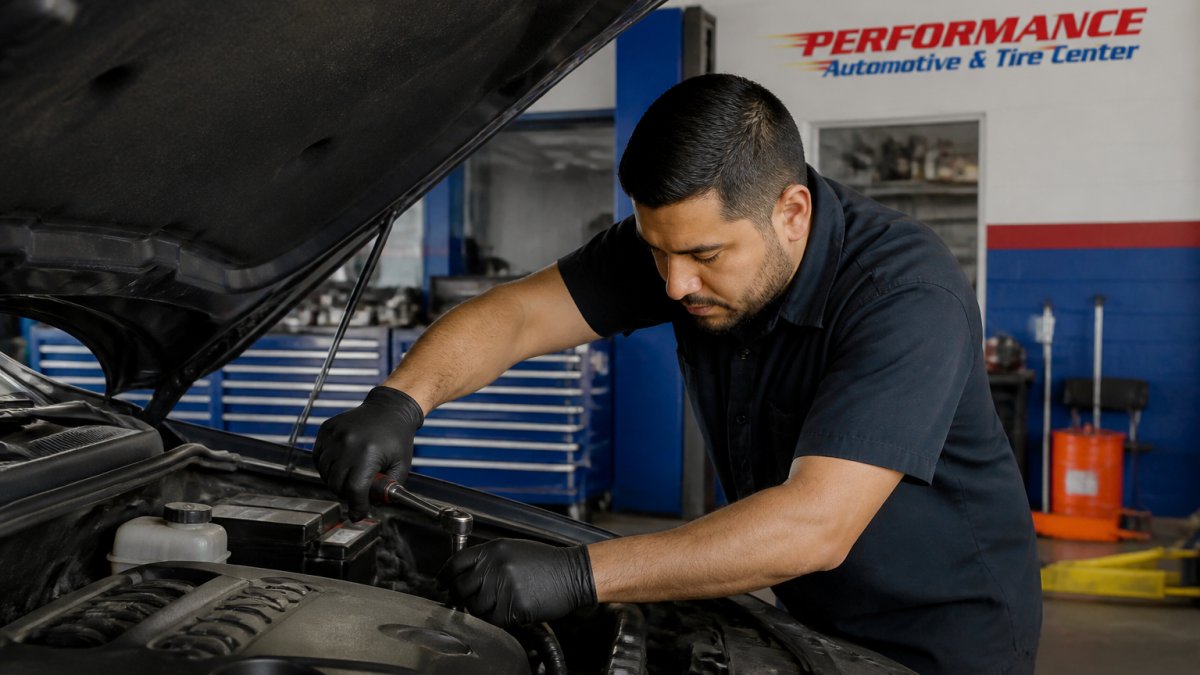
Full service auto repair Mesa means one shop handles everything your vehicle needs, from oil changes and brake work to engine diagnostics and major repairs, rather than sending you to three different specialists.
A vehicle is a system, not a list of parts.
Services Included in a Full-Service Visit
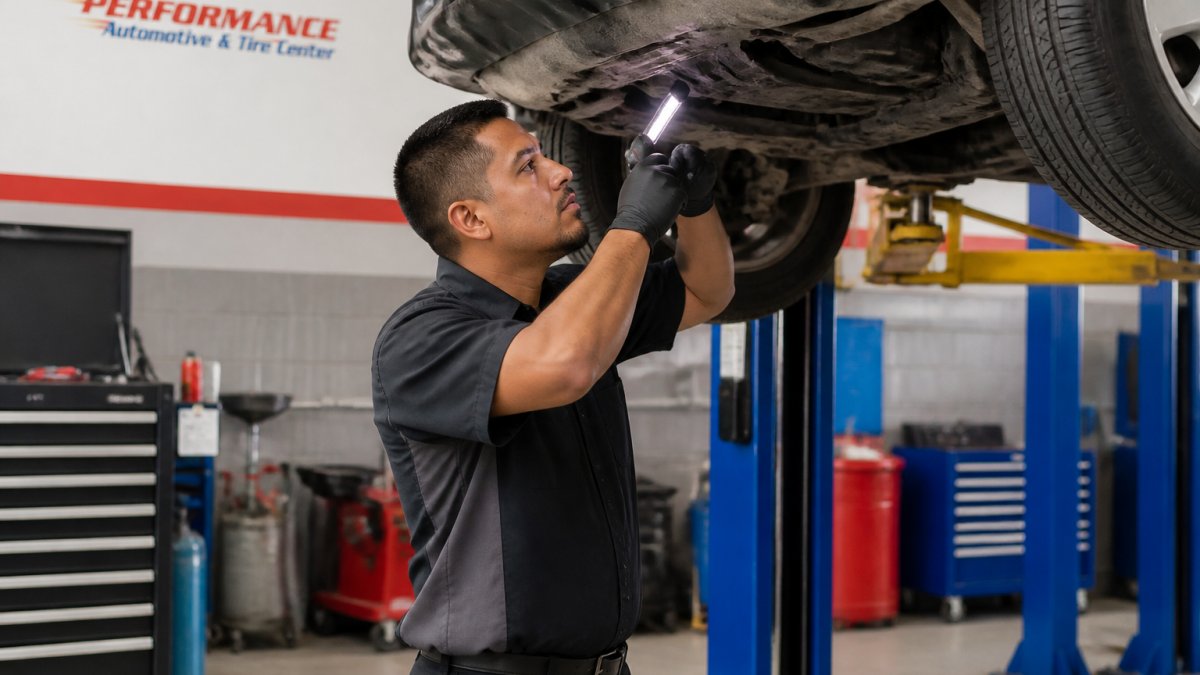
A full-service visit typically bundles inspection, maintenance, and repair under one service appointment:
- Routine maintenance: oil and filter changes, tire rotations, fluid checks and top-offs, tune-ups
- Brake repair and inspection: pads, rotors, fluid, and hydraulic components
- Engine repair and service: timing components, belts, cooling system work, fuel system repair
The advantage of one facility is continuity: your technician sees the same vehicle over time and notices small changes a once-a-year visitor would miss.
Ask whether the shop performs a digital or written inspection at every visit and whether you receive the findings even when you decline the work. A shop confident in its assessments will document them without pressure.
Auto Maintenance Mesa: Building a Schedule That Fits Your Vehicle
The best maintenance schedule is the one in your owner’s manual, adjusted for how you actually drive. Manufacturers publish two schedules, normal and severe, and most drivers in this climate fall into the second without realizing it.
Short trips, stop-and-go commuting, heavy AC use, and dust all count as severe service. If your daily routine is a ten-minute drive to work with the AC running from May through September, you are not on the normal schedule.
How to Read Your Owner’s Manual Schedule
Open the maintenance section and look for two columns or tables, usually labeled normal and severe (sometimes “Schedule A” and “Schedule B”). Match your driving to the severe definitions, then follow those intervals; if you are between the two, choose the shorter one. An extra oil change costs far less than a neglected cooling system or transmission.
A practical way to build your own schedule:
- Write down your daily commute distance and whether it includes highway time.
- Note whether you tow, carry heavy loads, or drive on unpaved roads.
- Check the manual’s severe-service list and count how many apply to you.
- Set calendar reminders at the shorter of the two intervals for oil, tires, and inspections.
- Keep every invoice in one folder or photo album so the next shop can see the history.
Preventive Maintenance by Mileage
Use this as a starting framework, then check your manual for the exact intervals your manufacturer specifies:
| Mileage Range | Typical Preventive Maintenance |
|---|---|
| Every 5,000-7,500 miles | Oil and filter change, tire rotation, multi-point inspection |
| Every 15,000-30,000 miles | Air filter, cabin filter, brake inspection, fluid top-offs |
| Every 30,000-60,000 miles | Transmission fluid service, coolant service, spark plugs on many engines |
| Every 60,000-100,000 miles | Timing belt on interference engines, major fluid services, suspension inspection |
These ranges are a planning tool, not a substitute for the manual. Some manufacturers specify longer oil intervals with synthetic oil; others still call for shorter ones under severe service. Follow the book for your vehicle and use the table to anticipate what a visit will likely include.
Arizona Heat and Your Maintenance Intervals
Heat is the quiet killer of fluids and batteries. Engine oil breaks down faster, coolant systems run at higher pressure, and batteries that would last five years in a mild climate often fail sooner here. Many local shops shorten oil change intervals for vehicles that spend their days in traffic with the AC blasting.
Specific checks that matter in this climate:
- Battery: have it load-tested before summer. Heat degrades battery internals, and a battery that starts fine in spring can fail on the first triple-digit morning.
- Cooling system: check coolant condition, not just the level. The reservoir can look full while the corrosion inhibitors are depleted, which is what protects the water pump and radiator.
- Tires: check pressure monthly and before long drives. Pressure rises and falls with temperature swings, and underinflation in triple-digit heat is a common cause of blowouts.
Skipping coolant service because the reservoir “looks full” is a common mistake. The fluid can be full and still be past its corrosion inhibitors, which is what protects your water pump and radiator. Neglect it and a cheap service turns into a cooling system repair.
Schedule maintenance before a failure, not after. A vehicle that gets inspected on a regular schedule gives you time to plan and budget for repairs instead of paying for a tow and an emergency fix.
Brake Repair Mesa: Warning Signs and What to Expect
Brakes rarely fail without warning. Squealing, grinding, a soft or spongy pedal, a pulsation when stopping, or the car pulling to one side all point to brake work that should not wait.
Grinding usually means metal-on-metal contact, and continuing to drive can score the rotors and turn a pad replacement into a full brake job. A soft pedal can indicate air in the hydraulic system or a failing master cylinder, and a pull to one side often points to a sticking caliper.
How Brake Inspections Work
A proper brake inspection measures, not just glances. Your technician should check pad thickness at each wheel, rotor thickness and condition, caliper operation, brake lines and hoses, and the fluid’s moisture content. Uneven pad wear points to a sticking caliper or slide pin, which is why a shop that only looks at the front pads is doing half the job.
A typical inspection sequence looks like this:
- Road test to confirm the complaint and note pedal feel, noise, and pull.
- Wheel removal and measurement of pad thickness and rotor thickness at every corner.
- Caliper and hardware check for sticking, seized slide pins, and torn boots.
- Hydraulic inspection of lines, hoses, and the master cylinder for leaks or corrosion.
- Brake fluid test for moisture content, since fluid absorbs water over time and lowers the boiling point.
- Written or digital report with measurements and photos before you approve anything.
What Drives the Cost of a Brake Repair
Brake repair pricing varies by axle, by vehicle, and by what the inspection finds. The main cost drivers:
- Pads and rotors: whether rotors can be resurfaced or must be replaced, and whether the vehicle uses standard or performance components.
- Caliper and hardware: a sticking caliper or seized slide pins add parts and labor.
- Brake fluid service: a fluid exchange is often recommended alongside pad or rotor work.
Ask for the estimate broken into parts and labor per axle, and whether it covers both axles or only the one that needs work now. A shop that separates “needs attention now” from “watch this next visit” is giving you a plan, not a pressure pitch.
How to Evaluate a Brake Estimate
Before you approve brake work, confirm four things:
- The estimate lists pad and rotor measurements, not just “brakes needed.”
- Parts are itemized by name, with new or remanufactured options where relevant.
- Labor is stated per axle, and the labor rate is disclosed.
A brake estimate you can compare is one with measurements, itemized parts and labor, and a written warranty. If any of those are missing, ask for them before you sign.
Ask the shop to show you the worn pads or rotors, or the photos from the inspection. Seeing the measurement or the part is the fastest way to understand why the repair is recommended.
Engine Diagnostics Mesa: How Modern Troubleshooting Works
Engine diagnostics uses scan tools, live data, and systematic testing to find the root cause of a drivability problem, not just the code that triggered the check-engine light.
That distinction is where money gets wasted. A misfire code can come from a spark plug, a coil, a vacuum leak, or a fuel delivery problem. A shop that replaces parts based on the code alone is guessing with your wallet.
What to Tell Your Technician Before Diagnostics
The more detail you give, the faster the diagnosis:
Call us at 480-924-7444 today! →
- When the problem happens: cold start, after warm-up, at highway speed, during turns
- What it feels or sounds like: hesitation, rough idle, knocking, a smell
- Whether any lights are on, and whether they flash or stay steady
A flashing check-engine light means stop driving and get it looked at. A steady light is less urgent but should still be diagnosed promptly.
Diagnostic testing is an investment in accuracy. Paying for a proper diagnosis once beats paying for two or three parts that did not fix the problem.
Car Repair Estimates Mesa: Reading a Quote Before You Approve Work
A repair estimate should tell you exactly what will be done, what parts will be used, and what it costs, broken into parts and labor. If a quote is a single number on a sticky note, ask for a written estimate before anyone touches the vehicle.
Parts and Labor: What Should Be Itemized
A trustworthy estimate separates the following:
- Parts: each part listed by name, with new, remanufactured, or OEM options where relevant
- Labor: hours estimated per operation and the labor rate
- Fees: shop supplies, disposal, and taxes stated separately
Ask whether the quote covers the whole job or only the first phase. Some repairs reveal additional wear once the assembly is apart, and you want to know how those discoveries get approved before they happen, not after.
For context on your rights and what a repair facility should disclose, the Federal Trade Commission’s consumer guidance on auto repairs is worth a read before you sign anything.
Drivers who want to compare quotes fairly should ask every shop for the same three things: itemized parts and labor, the warranty terms in writing, and whether the diagnostic fee is credited toward the repair.
How to Choose a Trustworthy Mechanic in Mesa
Start with credentials and transparency, then judge the conversation. ASE certification tells you the technicians have passed independent testing, and it is the baseline we hold our own team to at Performance Automotive and Tire Center.
A few signals separate an honest service shop from a hard sell:
- They show you the worn part or a photo of it
- They separate “needs attention now” from “watch this next visit”
- They give you a written estimate before starting work
Customer reviews help, but read them for patterns. Repeated mentions of honest assessments and fair pricing carry more weight than a single glowing post.
Questions to Ask Before You Hand Over the Keys
- Are your technicians ASE-certified?
- Is the estimate free, and will I get it in writing before work begins?
- Do you offer loaner cars or another way to stay mobile?
That last question matters for older cars and odd electrical faults. A 2008 Honda with a gremlin in the wiring is not a problem to hand to a shop that only does oil changes. Ask directly whether they have diagnosed similar issues before.
Warranties, Loaner Cars, and What Happens After the Repair
The repair is only half the service. What happens if something goes wrong two months later matters just as much, and that is where warranty coverage and convenience options separate shops.
Understanding Nationwide Warranty Coverage
A nationwide warranty means the repair is guaranteed at any participating location, not just the shop that did the work.
Keep your repair invoice. Most warranty claims require proof of the original service, and a lost receipt can void coverage you paid for.
Convenience counts too. If you cannot be without your car, confirm the loaner policy in advance rather than on the morning of the appointment.
Frequently Asked Questions
What does full-service auto repair include?
Full-service auto repair covers both routine maintenance and mechanical repairs under one roof. That typically means oil changes, brake inspection and repair, engine diagnostics, air conditioning and heating service, transmission and drivetrain work, tire service, and scheduled maintenance. A full-service shop can handle a simple tune-up and a complex engine issue without sending you to a specialist. Ask whether the shop works on both foreign and domestic vehicles, and confirm that its technicians are ASE-certified before you book.
How do I choose a reliable auto repair shop?
Start with credentials and transparency. Look for ASE-certified technicians, free estimates in writing, and a published warranty. Read customer reviews for patterns, not just star ratings, and pay attention to comments about honest assessments. Ask whether the shop provides loaner cars and how long repairs typically take. A trustworthy mechanic will explain the diagnosis in plain language and itemize parts and labor before you approve anything. If a shop pressures you into add-on services before inspecting the car, keep looking.
How often should I have my car serviced?
Follow your owner’s manual first, since intervals vary by make and model. As a general rule, most vehicles need an oil change every 5,000 to 7,500 miles, a brake inspection at least once a year, and a full scheduled maintenance review every 30,000 miles. In Mesa’s heat, check fluids, belts, and the battery more often than the manual suggests. Short commutes and stop-and-go traffic count as severe service, which shortens intervals. A good shop will map out a maintenance schedule based on your mileage and driving habits.
What should I ask a mechanic before approving repairs?
Ask three things: what the diagnostic testing showed, which parts need replacement and why, and whether the quote covers parts and labor separately. Request the repair estimate in writing before work begins. Ask whether the shop offers a nationwide warranty and what it covers. If a repair can wait, ask for the risk of delaying it. For brake repair Mesa drivers can verify, ask to see the worn components or a digital inspection report. A shop that answers these questions clearly is one you can trust with repeat business.
How can I tell whether my car needs brake service?
Common signs include squealing or grinding noises when braking, a soft or spongy pedal, vibration through the pedal, longer stopping distances, and the brake warning light on the dashboard. Grinding usually means the pads are worn through and the rotors are being damaged, so schedule an inspection right away. Even without symptoms, have brakes inspected at least once a year. Mesa drivers who tow or commute through hilly terrain should check more often. Early brake repair costs far less than replacing rotors and calipers later.
Do full-service auto repair shops work on most makes and models?
Most full-service shops handle both foreign and domestic vehicles, including older models with complex electrical issues. Coverage depends on the shop’s tooling and technician training. Before booking, confirm the shop services your make and model and has diagnostic equipment for your vehicle’s systems. A 2008 Honda with electrical gremlins, for example, needs a shop comfortable with module testing, not just basic code reading. Ask directly whether they have handled your model year before and what diagnostics they would run.
How long does a typical auto repair appointment take?
Routine maintenance like an oil change and tire rotation usually takes 45 to 90 minutes. Brake repair often takes half a day, and engine diagnostics can take longer depending on the fault. Complex transmission or drivetrain work may keep the vehicle overnight. Ask for a time estimate when you book the service appointment and confirm whether the shop offers loaner cars if the work runs long. Scheduling online or calling ahead helps the shop prepare parts and reduces wait time.
What is the difference between routine maintenance and a repair?
Routine maintenance is scheduled work that prevents problems: oil changes, fluid flushes, belt replacements, tire rotations, and inspections. A repair fixes something already broken, like a failed alternator, worn brake pads, or a transmission issue. Maintenance follows mileage intervals; repairs follow symptoms or diagnostic findings. Skipping maintenance often turns into a repair bill later. A full-service shop tracks both, so your scheduled maintenance and any needed repairs appear on one repair estimate, making it easier to plan costs and avoid surprises.