
Table of Contents
- Why Choosing the Right Mechanic Matters
- Check Certifications and ASE-Certified Technician Benefits
- Verify Online Reputation and Customer Feedback
- Questions to Ask a Mechanic Before Repair
- How to Read an Auto Repair Estimate
- Evaluate Shop Cleanliness, Organization, and Professionalism
- Red Flags That Signal an Unreliable Mechanic
- How to Handle Disputes or Bad Service
- Frequently Asked Questions
Last Updated: October 2, 2026
Why Choosing the Right Mechanic Matters
Finding a reliable local mechanic is one of the most important decisions you’ll make as a vehicle owner. The difference between a trustworthy shop and an unreliable one can cost you thousands of dollars, countless hours of frustration, and your peace of mind on the road.
A bad mechanic doesn’t just overcharge you, they misdiagnose problems, recommend unnecessary repairs, and leave your vehicle in worse condition than when you brought it in. A good one becomes a trusted partner who keeps your car running safely and efficiently while respecting your budget. At Performance Automotive and Tire Center, we understand that vehicle owners want honest assessments and fair pricing without the pressure tactics they often encounter at dealerships or discount chains.
The stakes are real. Your vehicle is likely one of your largest assets, and it’s essential to your daily life. Choosing the right mechanic means you’re investing in reliability, safety, and long-term vehicle health. This guide walks you through exactly how to evaluate and select a reliable local mechanic who will treat your car, and your wallet, with respect.
Check Certifications and ASE-Certified Technician Benefits
The first place to look when evaluating a mechanic is their certifications. An ASE-certified technician has passed rigorous exams and meets ongoing education requirements, which means they’ve demonstrated real expertise in their field.
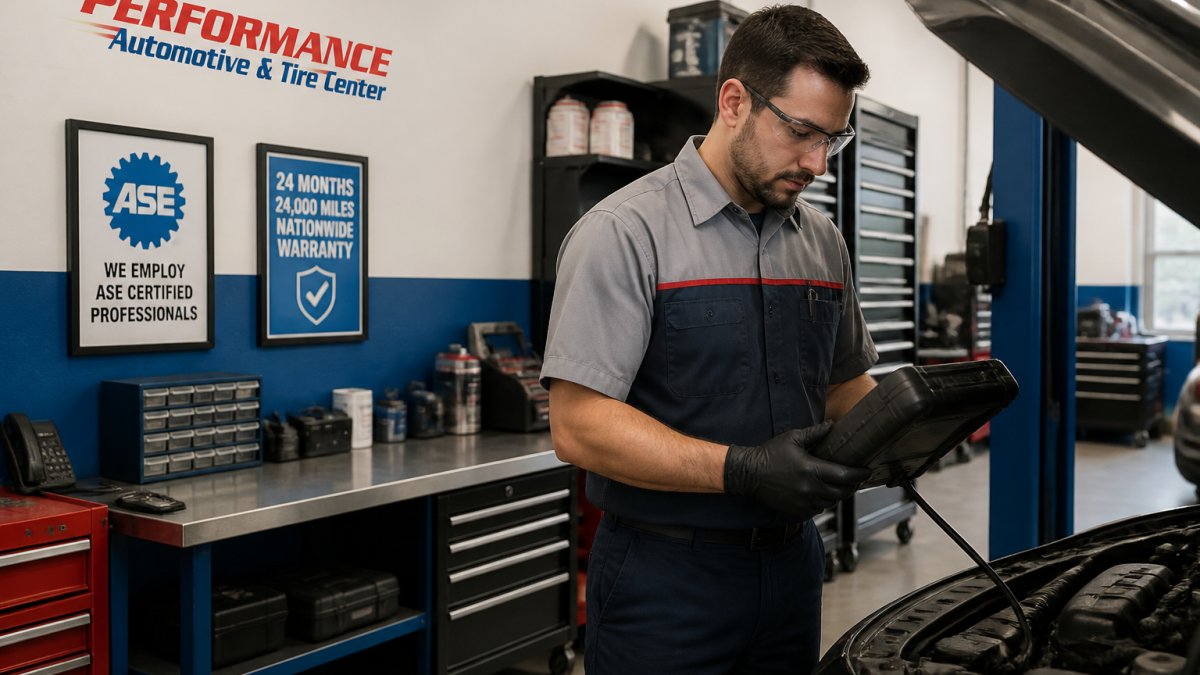
ASE (Automotive Service Excellence) certification is the gold standard in the industry. Technicians who hold ASE credentials have proven they understand vehicle systems, diagnostic procedures, and repair standards. When you see an ASE badge on the wall or on a technician’s uniform, you’re looking at someone who has invested in their professional development and is held to a measurable standard.
Beyond ASE, look for certifications specific to the vehicles you own. Manufacturers often provide certification programs that go deeper than general ASE training. These certifications signal that the shop invests in keeping their team current with the latest vehicle technology and repair procedures.
Ask the shop directly: “What certifications do your technicians hold?” A shop proud of their certified technicians will answer this question immediately and without hesitation. If they’re vague or defensive, that’s a red flag. A reliable local mechanic will display their credentials prominently and be able to tell you which technician will be working on your specific vehicle.
Verify Online Reputation and Customer Feedback
Your first stop should be online reviews. Platforms like Google Reviews, Yelp, and the Better Business Bureau give you insight into what actual customers experienced at a shop. Read beyond the star ratings, look at the specific complaints and compliments.
A shop with perfect five-star reviews might be suspicious. Real businesses have occasional unhappy customers. What matters is how the shop responds to negative reviews. Do they address the complaint professionally? Do they offer to make it right? Or do they get defensive and blame the customer? A shop that responds thoughtfully to criticism shows they care about their reputation and are willing to improve.
Look for patterns in the feedback. If multiple customers mention being overcharged or having unnecessary work done, that’s a warning sign. If customers consistently praise the shop for honest assessments and fair pricing, you’ve found something valuable. Pay special attention to reviews from people who own the same make and model as you, their experience is most relevant.
Check how long the shop has been in business and how many reviews they have. A shop that’s been operating for years with hundreds of positive reviews has earned trust through consistent performance. A brand-new shop with no history is riskier, you don’t have data to evaluate their reliability yet.
Questions to Ask a Mechanic Before Repair
Before you commit to any repair, you need to ask the right questions. These conversations reveal whether a mechanic is transparent and trustworthy or evasive and self-interested.
Diagnostic and Service Questions
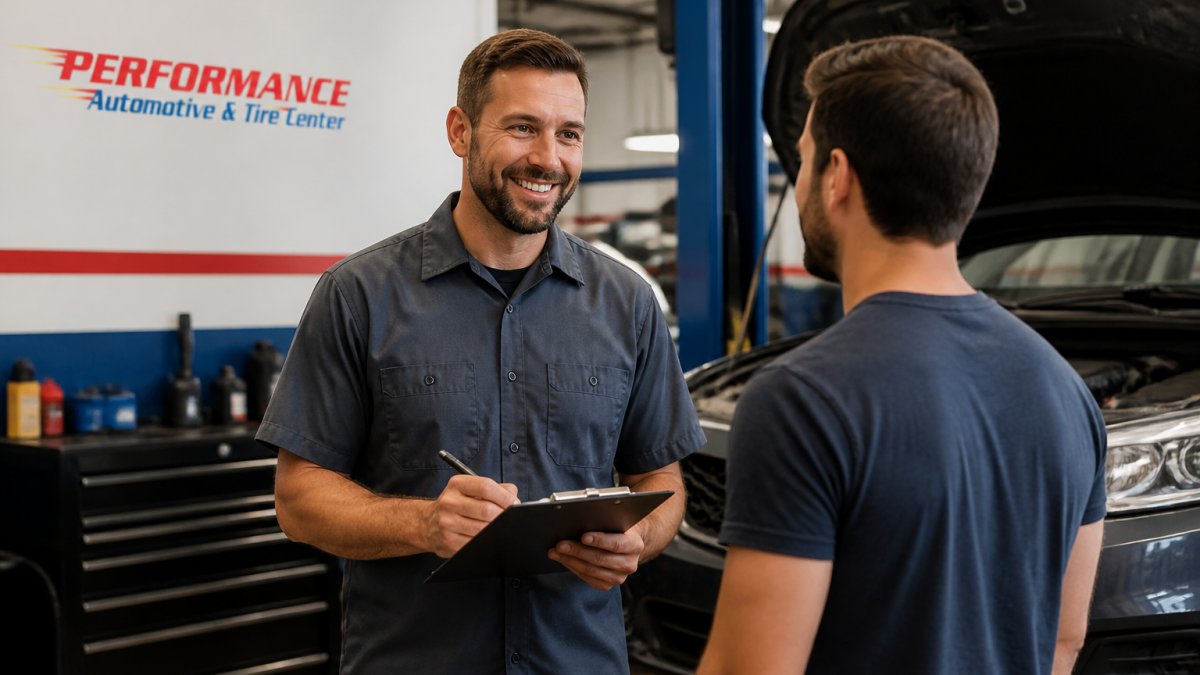
Start by understanding the problem and how the mechanic will diagnose it. Ask: “What specific diagnostic tests will you run, and what will they cost?” A reliable mechanic will explain their diagnostic process clearly and tell you upfront if there’s a diagnostic fee. Many shops offer free estimates, but some charge for comprehensive diagnostics, that’s reasonable as long as they’re transparent about it. Performance Automotive and Tire Center offers free estimates.
Call us at 480-924-7444 today! →
Next, ask: “What exactly is wrong with my vehicle, and how did you identify the problem?” A good mechanic will explain the issue in plain language, not jargon.
Warranty and Pricing Questions
Before you authorize any work, ask: “What warranty do you offer on this repair?” A shop standing behind their work will guarantee their labor and parts for a reasonable period. A shop unwilling to warranty their work is a red flag. Performance Automotive and Tire Center offers a Nationwide Warranty.
How to Read an Auto Repair Estimate
An estimate is your contract with the shop. Understanding what you’re looking at protects you from surprises and overpaying for work you don’t need.
Evaluate Shop Cleanliness, Organization, and Professionalism
Walk into the shop and trust your instincts. A clean, organized facility signals professionalism and attention to detail. If the waiting area is dirty, the bathrooms are grimy, and tools are scattered everywhere, that’s a sign the shop doesn’t take pride in their work environment.
Red Flags That Signal an Unreliable Mechanic
Certain warning signs should immediately make you suspicious. If a mechanic recommends replacing major components without running diagnostics first, they’re not being thorough, they’re trying to sell you expensive work you might not need.
How to Handle Disputes or Bad Service
If you believe you’ve received bad service or been overcharged, don’t just accept it. Start by contacting the shop directly. Explain the problem calmly and ask for a resolution. Many disputes can be settled with a conversation and a willingness to work together.
Frequently Asked Questions
What certifications should I look for in a reliable local mechanic?
ASE (Automotive Service Excellence) certification is the most important credential. ASE-certified technicians have passed rigorous exams and meet continuing education requirements, ensuring they stay current with automotive technology. Look for mechanics who display ASE badges in their shop or on their website. Additional certifications from manufacturer training programs indicate specialized expertise for specific vehicle brands. A shop with multiple certified technicians demonstrates a commitment to professionalism and technical expertise.
How do I know if a mechanic is trustworthy?
A trustworthy mechanic provides a written estimate before starting work, explains repairs in clear language, and answers your questions without pressure. Check online reviews on Google, Yelp, and the Better Business Bureau for patterns of honest service and fair pricing. Ask about their warranty coverage and whether they use original equipment manufacturer (OEM) or quality aftermarket parts. Red flags include refusing to give written quotes, pressuring you into unnecessary work, or avoiding questions about their qualifications. Personal recommendations from friends and family also help identify reliable shops with proven track records.
What questions should I ask before authorizing car repairs?
Always ask: What is the problem and how did you diagnose it? What repairs are necessary versus recommended? What parts will you use, and what’s the warranty on both parts and labor? How long will the repair take? Can you provide a written estimate with itemized labor rates? Request a service estimate in writing before work begins, and ask if they’ll contact you if additional repairs are discovered. For complex issues, ask if they’ve handled similar problems before and request references. Understanding the repair order details protects you from unnecessary charges and ensures transparent communication.
How do I verify a mechanic’s reputation online?
Search for the shop’s name on Google, Yelp, Facebook, and the Better Business Bureau to read customer feedback and ratings. Look for patterns in reviews, consistent praise for honest assessments and fair pricing is a strong indicator. Check how the shop responds to negative reviews; professional responses show they value customer service. Ask the mechanic directly for references or testimonials from recent customers. Visit their website or social media to see if they highlight certifications, equipment, and team credentials. A shop with transparent communication, professional presentation, and consistently positive feedback demonstrates trustworthiness and commitment to customer satisfaction.
What’s the difference between a dealership and an independent repair shop?
Dealerships specialize in specific vehicle brands and use factory-trained technicians and original equipment manufacturer parts, which can cost more. Independent shops typically offer lower labor rates and work on multiple vehicle makes and models. Family-owned independent shops often provide personalized service and honest assessments without the pressure to sell unnecessary upgrades. Many independent shops employ ASE-certified technicians with equal expertise to dealership staff. Choose a dealership if your vehicle is under warranty or needs brand-specific work; choose an independent shop for cost-effective maintenance, preventative care, and honest service from experienced professionals who prioritize your vehicle’s longevity.
How do I read an auto repair estimate and avoid hidden costs?
A clear estimate should list each repair with a description, parts cost, labor cost, and total price. Check that labor rates are specified (hourly rates vary by shop and complexity). Understand the difference between necessary repairs and recommended preventative maintenance. Ask if the estimate includes diagnostics fees or if that’s separate. Verify the warranty coverage, both parts and labor should be covered for a reasonable period. Request an itemized breakdown rather than vague descriptions like ‘engine work.’ If the estimate seems high, get a second opinion. A detailed, transparent estimate with clear line items protects you from surprise charges and helps you make informed decisions.
What should I do if I’ve had a bad experience with a mechanic?
First, document everything: keep your repair order, receipts, and photos of work if applicable. Contact the shop and clearly explain the issue, many shops will address problems if given the chance. If the issue involves a warranty claim, reference the warranty terms and request resolution. If the shop refuses to help, file a complaint with the Better Business Bureau or your state’s consumer protection agency. For major disputes, consider small claims court or requesting a third-party diagnostic to verify the original diagnosis was incorrect. Leave honest reviews on Google and Yelp to warn other customers, but stick to facts. Moving forward, choose a shop with proven transparency and positive customer feedback to avoid similar problems.

