
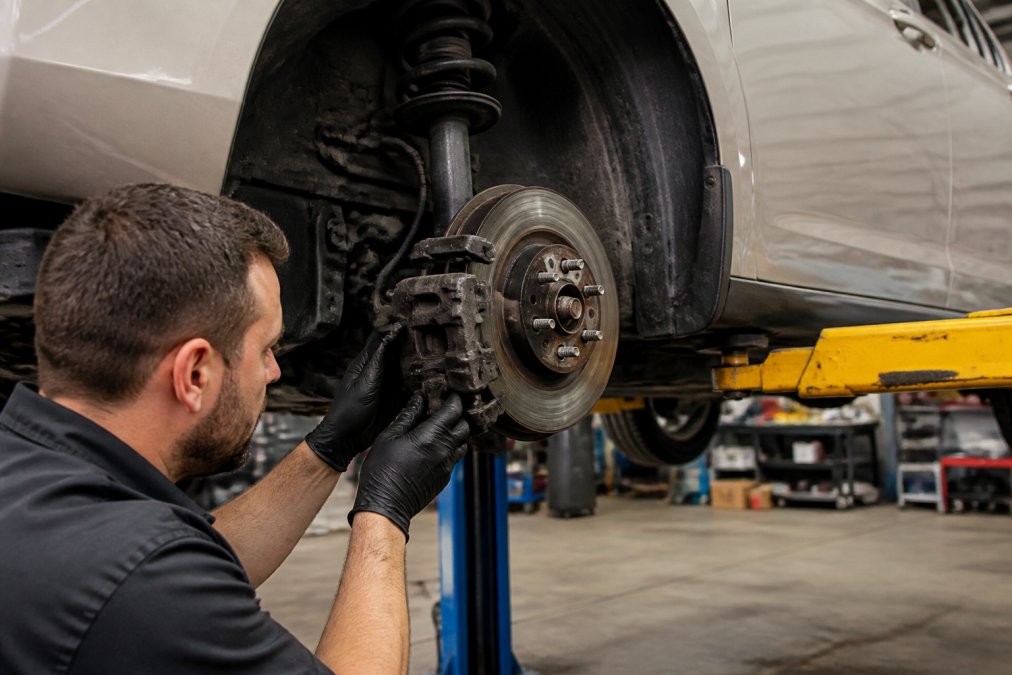
Table of Contents
- Why Vehicle Owners Seek Alternatives to Dealership Brake Service
- Dealer vs. Independent Shop Comparison
- OEM vs Aftermarket Brake Parts: What’s the Real Difference?
- Average Cost of Brake Pad Replacement at Independent Shops
- How Long Does a Brake Job Take at an Independent Facility?
- What to Look for in a Brake Repair Shop
- Making the Switch: Your Checklist for Choosing an Independent Brake Service Provider
- Conclusion
- Frequently Asked Questions
Last Updated: September 27, 2026
Why Vehicle Owners Seek Alternatives to Dealership Brake Service
Dealership brake service often comes with high costs and unnecessary upselling. Many owners take their car in for a simple brake pad replacement only to receive recommendations for additional work they didn’t expect. This drives owners to explore alternatives to dealership brake service that offer transparency, fair pricing, and honest assessments.
Dealerships operate under different business models than independent repair facilities. Their pricing structures reflect overhead costs, brand positioning, and profit margins that don’t always align with what a vehicle actually needs. Quality brake service exists outside the dealership model at competitive rates.
Finding alternatives to dealership brake service means locating a repair partner who prioritizes safety while respecting your budget. Independent shops with ASE-certified technicians deliver dealer-quality work without the dealer markup.
Dealer vs. Independent Shop Comparison
The core difference between dealership and independent brake service comes down to business structure, not technical capability. Dealerships employ factory-trained technicians working within manufacturer specifications. Independent shops employ ASE-certified technicians meeting national standards across multiple vehicle makes and models.
Dealerships use OEM parts as standard, guaranteeing compatibility and maintaining factory warranties. Independent shops offer flexibility to recommend OEM parts or quality aftermarket alternatives that meet or exceed OEM specifications, providing cost-effective solutions without compromising safety.
Dealerships typically charge higher hourly rates due to overhead and brand positioning. Independent shops operate with lower overhead, translating to more competitive labor rates. Both should provide written estimates before beginning work to ensure transparency.
Dealerships use manufacturer-specific diagnostic tools connecting directly to your vehicle’s computer. Independent shops use multi-brand diagnostic equipment identifying issues across manufacturers. Both diagnose effectively; independent shops often explain findings in clearer, non-technical language.
OEM vs Aftermarket Brake Parts: What’s the Real Difference?
OEM parts are manufactured by the original equipment maker to exact specifications, guaranteeing compatibility and factory performance standards.
Quality aftermarket parts from established manufacturers often match or exceed OEM specifications for stopping distance, durability, and noise reduction.
OEM parts offer full traceability and dealership warranty coverage. Reputable independent shops source aftermarket components from established manufacturers with proven track records and stand behind them with warranties.
OEM brake pads typically cost more than quality aftermarket options, though price doesn’t always reflect superior performance. Quality aftermarket pads deliver identical stopping power and durability at lower cost, the key is sourcing from reputable manufacturers, not selecting the cheapest option.
Whether you choose OEM or quality aftermarket parts, your brake system’s safety and performance are the priority. Reputable shops explain the differences and let you decide which option aligns with your vehicle’s needs and budget.
Average Cost of Brake Pad Replacement at Independent Shops
Brake pad replacement costs vary based on vehicle make and model, pad type, and labor rates. Understanding cost drivers helps you evaluate quotes accurately.
Independent shop labor rates typically run lower due to reduced overhead. Brake pad replacement usually requires 1-2 hours depending on your vehicle’s brake system design.
Parts costs depend on whether you choose OEM or aftermarket pads. Quality aftermarket pads cost less while delivering equivalent performance.
Complete brake jobs may include rotor resurfacing or replacement, brake fluid flushing, and hardware replacement. These services ensure your complete braking system functions safely.
Request a detailed written estimate breaking down labor, parts, and additional services. This transparency helps you compare quotes accurately.
How Long Does a Brake Job Take at an Independent Facility?
The time required for brake service depends on the specific work needed and your vehicle’s design. A straightforward brake pad replacement typically takes 1-2 hours at an independent shop. This timeframe includes removing wheels, accessing brake components, replacing pads, and test-driving the vehicle to verify proper operation.
Call us at 480-924-7444 today! →
More complex brake jobs take longer. Rotor resurfacing or replacement adds 30-60 minutes to the service time. If your brake system requires bleeding the lines to remove air and old fluid, add another 30-45 minutes. Electronic parking brake systems on newer vehicles require specialized procedures that may extend service time.
Many independent facilities like Performance Automotive offer loaner cars or shuttle service, so you’re not stranded while your vehicle is being serviced.
The quality of the diagnostic process impacts total service time. A thorough inspection identifies all brake system issues upfront rather than discovering problems mid-service. This prevents surprises and keeps your vehicle in the shop for the estimated timeframe. Transparent communication about expected completion time helps you plan your schedule accordingly.
Our ASE-certified technicians work efficiently without sacrificing the thoroughness your brake system deserves. We provide free loaner cars so you can continue your day without worrying about transportation while we service your vehicle.
What to Look for in a Brake Repair Shop
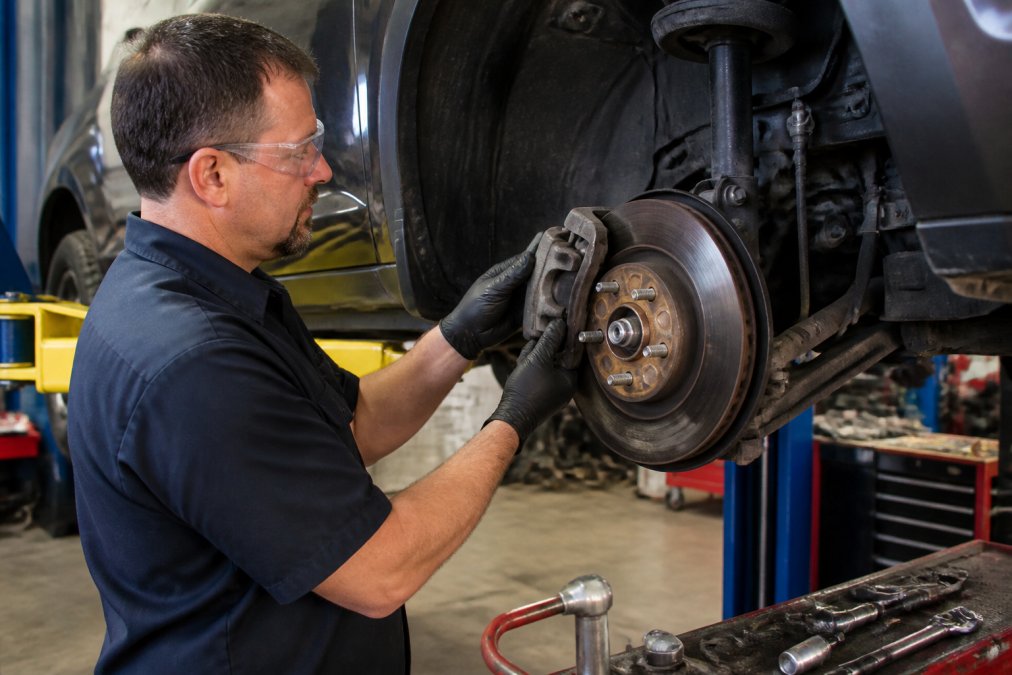
Selecting the right facility for brake service requires evaluating several key factors. ASE certification is your first indicator of technical competency. ASE-certified technicians have passed rigorous exams demonstrating expertise in brake system diagnostics and repair. This certification matters because brake work directly impacts your vehicle’s safety.
Equipment quality reveals how seriously a shop invests in proper diagnostics and service. Modern brake shops use computerized diagnostic tools that identify electronic brake system issues. They have brake lathes for rotor resurfacing and fluid flushing equipment for complete brake system maintenance. Facilities with this equipment can handle complex brake issues that older shops cannot address.
Customer reviews and reputation provide insight into how a shop treats customers. Look for patterns in feedback rather than individual comments. Consistent mentions of honest assessments, fair pricing, and quality workmanship indicate a shop that prioritizes customer satisfaction. References to transparent communication and willingness to explain brake system issues suggest a facility that respects your intelligence and budget.
Warranty coverage demonstrates confidence in the work performed. A shop that guarantees its brake work with a written warranty stands behind its quality. Nationwide warranty coverage means your brake service is protected even if you travel or relocate. This protection matters because brake work is safety-critical, you need assurance that repairs will hold up.
Ask about the shop’s approach to parts sourcing. Do they explain the difference between OEM and aftermarket options? Do they source from established manufacturers or select based solely on price? A shop that discusses parts options transparently and explains why they recommend specific components demonstrates expertise and customer focus.
Communication style matters more than you might think. A good brake shop explains findings in language you understand, not technical jargon designed to intimidate. They answer questions without rushing you through decisions. They provide written estimates before beginning work and contact you if additional issues are discovered during service.
Making the Switch: Your Checklist for Choosing an Independent Brake Service Provider
Transitioning from dealership service to an independent facility requires a few practical steps. Start by gathering recommendations from friends, family, and online reviews. Look for shops with strong reputations for honest assessments and fair pricing. This research takes 30 minutes but saves you from poor experiences.
Schedule a consultation before committing to brake service. Many independent shops offer free inspections and estimates.
|
Factor |
What to Evaluate |
Red Flag |
|---|---|---|
|
Certification |
ASE-certified technicians |
No certifications mentioned |
|
Equipment |
Modern diagnostic tools, brake lathes |
Basic hand tools only |
|
Warranty |
Written warranty on work performed |
No warranty offered |
|
Communication |
Clear explanations, answers questions |
Vague or dismissive responses |
|
Estimates |
Detailed, itemized, in writing |
Verbal estimates, unclear pricing |
|
Parts |
Discusses OEM vs. aftermarket options |
Only offers one option |
Conclusion
Finding quality alternatives to dealership brake service doesn’t mean compromising on safety or quality. Independent shops with ASE-certified technicians deliver equivalent technical expertise at competitive prices. The key is selecting a facility that prioritizes honest communication, uses quality parts and equipment, and stands behind its work with warranties.
Frequently Asked Questions
Is it better to get brakes done at the dealership or an independent shop?
Independent shops with ASE-certified technicians often deliver the same quality as dealerships at lower cost. Dealerships may charge premium labor rates and push unnecessary services. The key is verifying the shop uses OEM specifications, maintains proper diagnostic tools, and stands behind their work with a warranty. Many vehicle owners find independent facilities provide honest assessments without the upselling pressure common at dealership service departments.
What’s the difference between OEM and aftermarket brake parts?
OEM (original equipment manufacturer) parts meet the exact specifications your vehicle was designed with and typically carry longer warranties. Aftermarket parts are produced by third parties and vary in quality—some match OEM standards, others don’t. For brake safety, reputable independent shops use parts that meet or exceed OEM specifications, even if they’re aftermarket. Always confirm your shop verifies parts against OEM standards before installation.
How much does brake pad replacement typically cost?
Brake pad replacement pricing depends on your vehicle’s make and model, whether you choose OEM or quality aftermarket parts, and local labor rates. Rather than guessing, request a free estimate from your shop. A transparent facility will provide a detailed breakdown of parts cost, labor, and any additional services like rotor resurfacing or brake fluid flush. Compare estimates from multiple providers to understand the fair range for your specific vehicle.
What certifications should I look for in a brake technician?
ASE (Automotive Service Excellence) certification is the gold standard. ASE-certified technicians have passed rigorous exams and stay current with industry standards. Look for shops displaying ASE credentials prominently and ask technicians about their specific brake system training. Certified technicians understand electronic parking brake systems, master cylinder diagnostics, and proper bleeding procedures—critical skills for safe, long-lasting brake repairs.

