Table of Contents
- How to Book a Loaner Car for Auto Repair in Mesa
- Loaner Car Eligibility: Who Qualifies and Why
- Loaner vs. Shuttle vs. Rental: Which Option Fits Your Day?
- Auto Repair Financing Options in Mesa
- Why Mesa Drivers Choose Best Rated Auto Repair Shops
- Dealership vs. Independent Shop: Cost and Convenience Compared
- Conclusion: Your Next Step Toward Stress-Free Auto Repair
- Frequently Asked Questions
Last Updated: October 4, 2026
How to Book a Loaner Car for Auto Repair in Mesa
Booking loaner car Mesa service starts with one phone call. Many drivers assume loaners are dealership-only, but many independent shops offer the same convenience at lower cost.
At Performance Automotive and Tire Center, we can walk Mesa drivers through this process. Here’s what to confirm and how to avoid scheduling mistakes.
Step 1: Call Ahead and Reserve Your Loaner
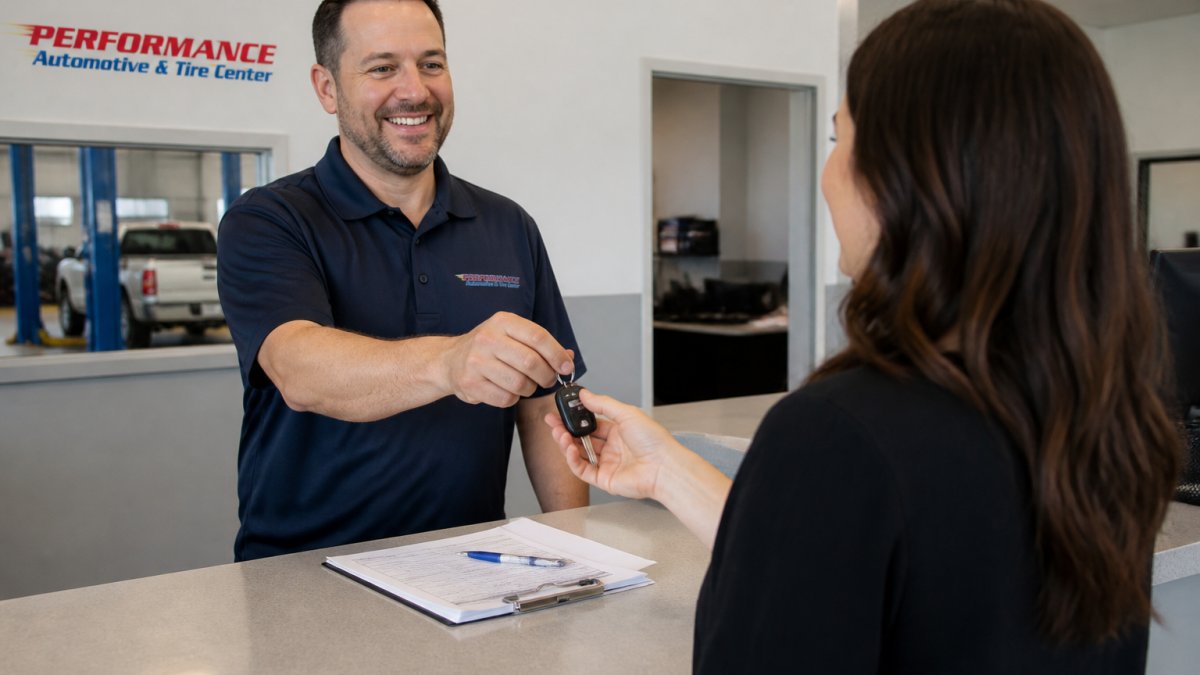
Reserve your loaner when you book the repair, not the morning of. Fleets are limited, so call two to three days ahead.
When you call, have these details ready:
- Your vehicle’s year, make, and model
- The symptoms or service you need
- Your preferred drop-off date and time
Ask one direct question: “Do you have a loaner available for that date?” A shop that offers loaners will confirm immediately.
Step 2: Confirm Eligibility and Insurance Requirements
Eligibility comes down to age, license status, and insurance. Most shops require drivers to be at least 21 or 25, hold a valid license, and carry active insurance that transfers to the loaner.
Ask these questions before you commit:
- What’s the minimum driver age?
- Does my personal insurance cover the loaner, or does the shop provide coverage?
- Is there a daily mileage limit?
Get the answers in writing, even a text or email counts. Verbal promises are worth little when the shop is backed up.
Step 3: Drop Off Your Vehicle and Pick Up the Loaner
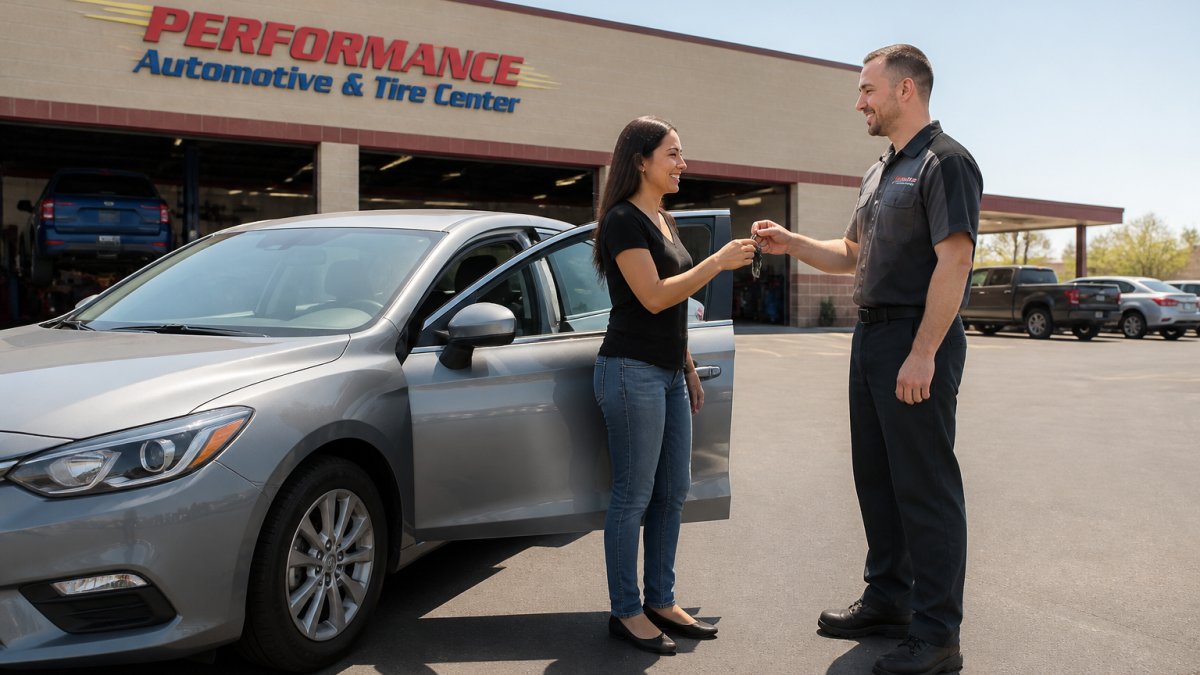
Drop-off day is simple if you’ve done the groundwork. Arrive on time, hand over your keys, and complete a short loaner agreement. Bring your license, proof of insurance, and a credit card if a deposit is required.
Before you drive away, do a quick walk-around of the loaner:
- Note existing scratches, dents, or windshield chips
- Check the fuel level and confirm the return policy
- Save the shop’s direct number in your phone
Expected Result: You leave with a loaner, your vehicle enters the service queue, and you get a call with a repair estimate before any work begins.
Ask whether the shop offers early bird drop-off. Dropping your vehicle before opening hours often moves it to the front of the day’s queue, which means a faster turnaround and a shorter loaner rental window.
Loaner Car Eligibility: Who Qualifies and Why
Eligibility rules exist because loaner fleets are expensive to maintain and insure. Here’s the why behind each rule, and how to work around one you don’t meet.
The Four Rules Almost Every Shop Applies
**1.
2. A valid, unrestricted driver’s license. A permit, restricted, or suspended license disqualifies you. Bring the physical card, not a phone photo.
3. Active auto insurance with liability coverage. Your policy typically extends to a loaner under a “temporary substitute” provision, but limits may differ.
**4. Loaners are reserved for repairs that keep your vehicle overnight, transmission work, engine diagnostics, collision repair, major brake service, or any job waiting on parts.
The Fifth Rule Nobody Tells You About
Most shops also require a clean loaner history, no outstanding balance, unreturned vehicle, or damage dispute from a previous loaner. Ask the advisor to confirm your record is clear before assuming you qualify.
How to Qualify When You Don’t Meet the Criteria
If you fall outside the standard rules, you still have options:
- Add an authorized driver. A spouse, adult child, or coworker who meets the age and license requirements can be listed on the loaner agreement.
- Offer a larger deposit. Some shops will waive the age minimum for a higher refundable deposit or a credit card hold.
- Use the shuttle instead. The courtesy shuttle has no age or insurance requirements, it’s the fallback that keeps you mobile.
What to Get in Writing Before You Commit
Before you drop off your car, get these five answers in writing, even a text or email counts:
- The minimum driver age and whether an authorized driver can be added
- Whether your personal insurance covers the loaner or the shop provides coverage
- The daily mileage limit and the per-mile overage charge
- What happens if the repair takes longer than the estimate, is the loaner extended at no cost?
- The fuel and return policy
Eligibility isn’t a yes-or-no question, it’s a set of rules you can often work around. The drivers who get loaners are the ones who ask about the rules before they need the car, not the morning of the repair.
A Quick Eligibility Self-Check
Before you call the shop, run through this list:
- Are you at least 21 (or 25, depending on the shop)?
- Is your driver’s license valid and unrestricted?
- Is your auto insurance active with liability coverage?
If you answered yes to all five, you’re almost certainly eligible. If you answered no to one, ask about the workarounds above. If you answered no to two or more, plan on the shuttle or a rental.
Loaner vs. Shuttle vs. Rental: Which Option Fits Your Day?
Three transportation options exist when your car is in the shop.
Here’s how they compare:
| Option | Cost | Best For | Key Limitation |
|---|---|---|---|
| Loaner car | Usually free with major repair | Full-day mobility, multi-stop schedules | Limited fleet, eligibility rules apply |
| Courtesy shuttle | Free | Short trips, local drop-off and pickup | Fixed routes and hours |
| Rental car | Paid | Multi-day repairs, no eligibility limits | Daily cost, insurance add-ons |
If your repair takes one day and you work nearby, the shuttle is simplest. If you juggle school pickups, meetings, and errands, ask for a loaner. If no loaner is available and the repair stretches past a day, a rental may be the only route.
Call us at 480-924-7444 today! →
Never assume a loaner is guaranteed just because a shop advertises them. Fleets run out, especially on Mondays and after holiday weekends. Always confirm a specific vehicle is reserved under your name before you drop off your car.
Auto Repair Financing Options in Mesa
Auto repair financing options Mesa drivers use most often fall into four categories: in-house payment plans, third-party financing, credit cards, and manufacturer or extended warranty coverage. The right choice depends on the bill size and your credit.
Common paths include:
- In-house payment plans spread the cost over a few months with no interest
- Third-party financing through lenders that work with a range of credit scores
- Credit cards for smaller repairs, useful when you want rewards or a grace period
Before you sign anything, ask for a written repair estimate that separates parts, labor, and taxes. Federal law gives you the right to request a written estimate in most states, and the FTC guidance on auto repair and your rights explains what shops must disclose.
Why Mesa Drivers Choose Best Rated Auto Repair Shops
Best rated auto repair Mesa AZ shops earn that reputation through certified technicians, transparent estimates, and convenience features that respect your time.
Convenience features separate good shops from great ones:
- Free loaner cars for qualifying repairs
- Courtesy shuttle service within the local area
- Early bird drop-off before opening hours
Performance Automotive and Tire Center is a family-owned shop in Mesa built around those features. Our ASE-certified team handles everything from scheduled maintenance and preventative maintenance to diagnostic services, and we back the work with a nationwide warranty.
Dealership vs. Independent Shop: Cost and Convenience Compared
Independent shops typically cost less than dealership service departments for the same repair, and the gap widens on older vehicles. Dealerships carry higher overhead, larger facilities, brand-mandated tooling, manufacturer training, and that overhead shows up in the labor rate. But the loaner question changes the math in ways most comparisons ignore.
The Real Cost Difference
Labor rates are the clearest gap: dealerships charge higher hourly rates, and the difference compounds on multi-hour jobs. Parts pricing follows suit, dealerships sell OEM parts at manufacturer-set prices, while independent shops offer OEM-equivalent aftermarket parts at lower cost.
What dealerships include that independents sometimes don’t:
- Manufacturer-trained technicians who work on your brand every day
- OEM parts as the default, not an upsell
- Brand-specific diagnostic software that can read proprietary codes
What independent shops often include that dealerships don’t:
- Free loaner cars for qualifying repairs, many dealerships charge for loaners or reserve them for warranty customers
- Same-week scheduling for most repairs, versus multi-day waits for a dealership diagnostic appointment
- A single point of contact, the same advisor and technicians each visit
When the Dealership Is the Right Call
Three situations favor the dealership, and cost isn’t the deciding factor:
- Warranty work. If your vehicle is under a manufacturer warranty, the repair is free at a dealership. An independent shop can do the work, but you may pay out of pocket and risk a coverage dispute.
- Safety recalls. Only a dealership can perform manufacturer recalls. There’s no cost to you either way, so there’s no reason to go elsewhere.
- Brand-specific diagnostics. Some modern vehicles require proprietary software to read certain codes. An independent shop without that software may need to send your car to a dealership anyway, costing you a day.
When the Independent Shop Wins
For everything else, an independent shop usually wins on three fronts:
- Cost: Lower labor rates and more flexibility on aftermarket parts
- Speed: Smaller queues and faster scheduling for most repairs
- Relationship: You talk to the same advisor and technicians each visit
The trade-off is consistency. Dealership networks follow uniform procedures across locations, while independent shops vary widely in quality. That’s why certifications, warranties, and reviews matter so much. A nationwide warranty on parts and labor removes most of the risk, because the coverage follows you even if you move or travel.
The Loaner Factor Nobody Compares
Here’s the angle most cost comparisons miss: a free loaner can erase the entire cost gap on a multi-day repair. If an independent shop saves you a few hundred dollars on a transmission job but you rent a car for three days plus insurance, the savings shrink fast.
So the real question isn’t “dealership or independent?” It’s “which one gets me back on the road for less total cost, including the car I drive while mine is in the bay?”
A Decision Framework
Ask these four questions before you book:
- Is the repair covered by warranty or a recall? If yes, go to the dealership.
- Does the repair require brand-specific diagnostic software? If yes, call the dealership first.
- Does the independent shop offer a free loaner for this repair? If yes, the cost gap widens in the independent shop’s favor.
- How long will the repair take? The longer the repair, the more a free loaner is worth, and the more a paid rental eats into any savings.
What most reviews miss is turnaround time. A dealership may need days to fit you in for diagnostics, while a well-run independent shop often gets you in the same week, which matters when your only vehicle is the one in the bay.
When you call either type of shop, ask two questions in the same breath: “What’s the total estimate?” and “Do you have a loaner available for that date?” The answer to the second question can change which shop is actually cheaper.
Conclusion: Your Next Step Toward Stress-Free Auto Repair
Finding a shop with a loaner car, honest estimates, and certified technicians shouldn’t take hours of research. One phone call answers most questions, and a reserved loaner turns a stressful repair into a normal day.
Performance Automotive and Tire Center offers free estimates, free loaner cars, ASE-certified technicians, and a nationwide warranty on repairs, all from a family-owned shop serving Mesa and the surrounding communities.
Frequently Asked Questions
Do most auto repair shops in Mesa provide loaner cars?
Not all shops offer loaner vehicles, but many full-service auto repair centers in Mesa do. Family-owned shops with a focus on customer convenience are more likely to have loaner cars available. Performance Automotive and Tire Center, for example, provides free loaner cars to qualifying customers. Availability can vary by day, so it’s best to call ahead and reserve one when you book your service appointment.
How do I qualify for a loaner vehicle at a local auto repair shop?
Eligibility requirements vary by shop, but common criteria include being at least 21 years old, having a valid driver’s license, and providing proof of insurance. Some shops require the repair to take a certain amount of time or exceed a minimum cost. When you call to book, ask specifically about loaner car eligibility so you can bring the right documents and avoid surprises on drop-off day.
Should I book my auto repair appointment in advance to guarantee a loaner car?
Yes. Loaner cars are limited, and reserving one in advance is the only way to guarantee availability. Call the shop as soon as you know you need service, even if it’s just for scheduled maintenance. If you wait until the day of, you may arrive to find all loaners are already out. Booking ahead also gives the shop time to prepare for your vehicle’s specific needs.
What are the insurance requirements for using a shop-provided loaner car?
Most shops require you to carry active auto insurance that extends to a temporary loaner vehicle. Some may ask for a copy of your policy or a declaration page before releasing the keys. If your policy doesn’t cover loaners, the shop might offer supplemental coverage or ask you to sign a liability waiver. Confirm the insurance requirements when you book so you’re not caught off guard at pickup.