Table of Contents
- Why Drivers Look for a Faith Works Auto Alternative for Repairs
- Auto Repair Estimate Second Opinion: What to Ask For
- How to Choose an Auto Repair Shop That Earns Your Trust
- Independent Mechanic vs. Dealership: Which Fits Your Repair?
- Auto Repair Warranty Questions to Ask Before You Approve Work
- What a Family-Owned Shop Offers That Chains and Dealers Do Not
- Making the Switch: Practical Steps for Your Next Repair
- Frequently Asked Questions
Last Updated: October 14, 2026
Why Drivers Look for a Faith Works Auto Alternative for Repairs
A repair estimate you don’t understand is a repair bill you can’t control. That’s the core reason drivers search for a Faith Works Auto alternative for repairs: they want a shop that explains the work before it happens, not after. At Performance Automotive and Tire Center, we hear the same story constantly. Someone approved a repair, paid the invoice, and still couldn’t tell you what the labor charge covered.
The frustration rarely comes down to one shop. It’s a pattern: vague quotes, pressure to approve work the same day, and no clear answer about what happens if the part fails next month. A Faith Works Auto alternative for repairs is really a search for transparency, not just a different address.
That’s what this guide covers. We’ll walk through how to request an auto repair estimate second opinion, how to choose an auto repair shop, what auto repair warranty questions to ask, and how the independent mechanic vs. dealership decision actually plays out. Below, we’ll show you exactly what to ask for at each step.
The strongest signal of a trustworthy shop isn’t price. It’s whether the shop will put the diagnosis in writing, line by line, before you approve anything.
Auto Repair Estimate Second Opinion: What to Ask For
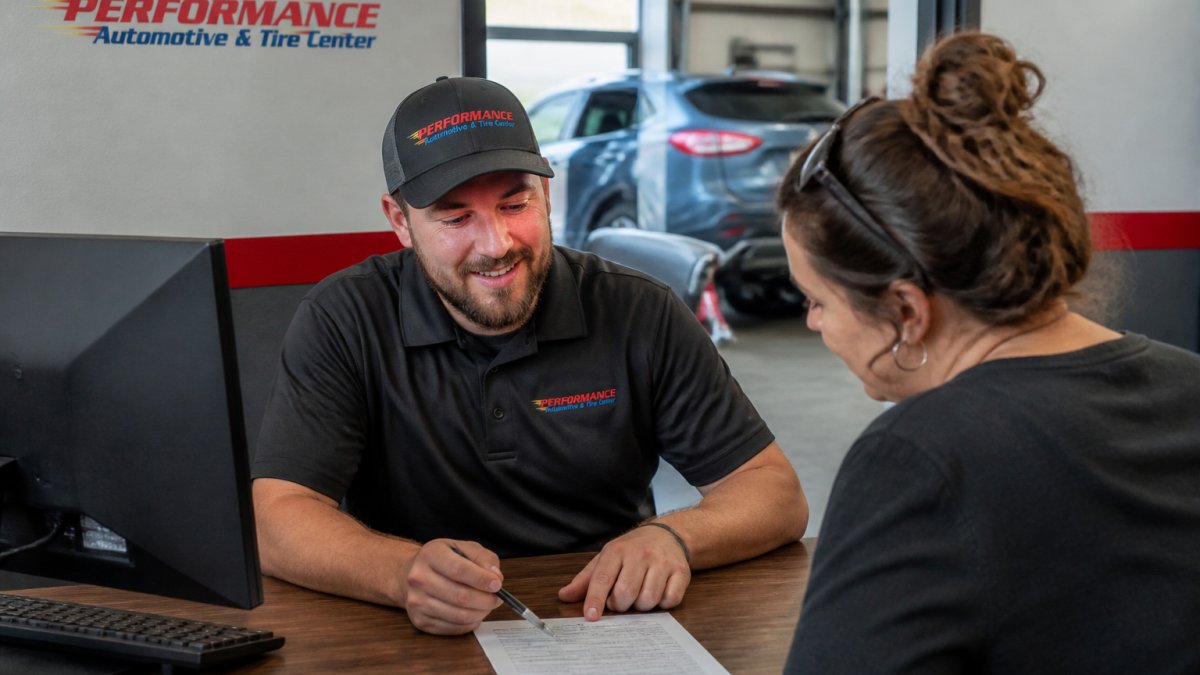
An auto repair estimate second opinion is a written evaluation of your vehicle’s diagnosis and recommended repairs from a different shop than the one that quoted you first. Ask for three things: a line-item breakdown, the diagnostic method used, and a written statement of what happens if the diagnosis is wrong.
Most drivers ask for a “second opinion” and get a verbal guess. That’s not useful. A real second opinion gives you a document you can compare side by side with the first quote.
Line-Item Breakdowns vs. Lump-Sum Quotes
A lump-sum quote tells you one number. A line-item breakdown tells you why that number exists. Ask for parts and labor separated, with the parts listed by name and the labor listed by hours.
Here’s what to compare between two estimates:
| What to Compare | Line-Item Estimate | Lump-Sum Estimate |
|---|---|---|
| Parts listed by name | Yes | Rarely |
| Labor hours shown | Yes | No |
| Diagnostic fee stated upfront | Usually | Often bundled |
| Warranty terms in writing | Yes | Verbal only |
| Easy to compare quotes | Yes | No |
If a shop won’t itemize, that’s your answer. A shop confident in its diagnosis has no reason to hide the math.
Never approve a repair based on a phone quote alone. Without a written line-item estimate, you have no record of what was promised, and no use if the final bill comes in higher.
How to Choose an Auto Repair Shop That Earns Your Trust
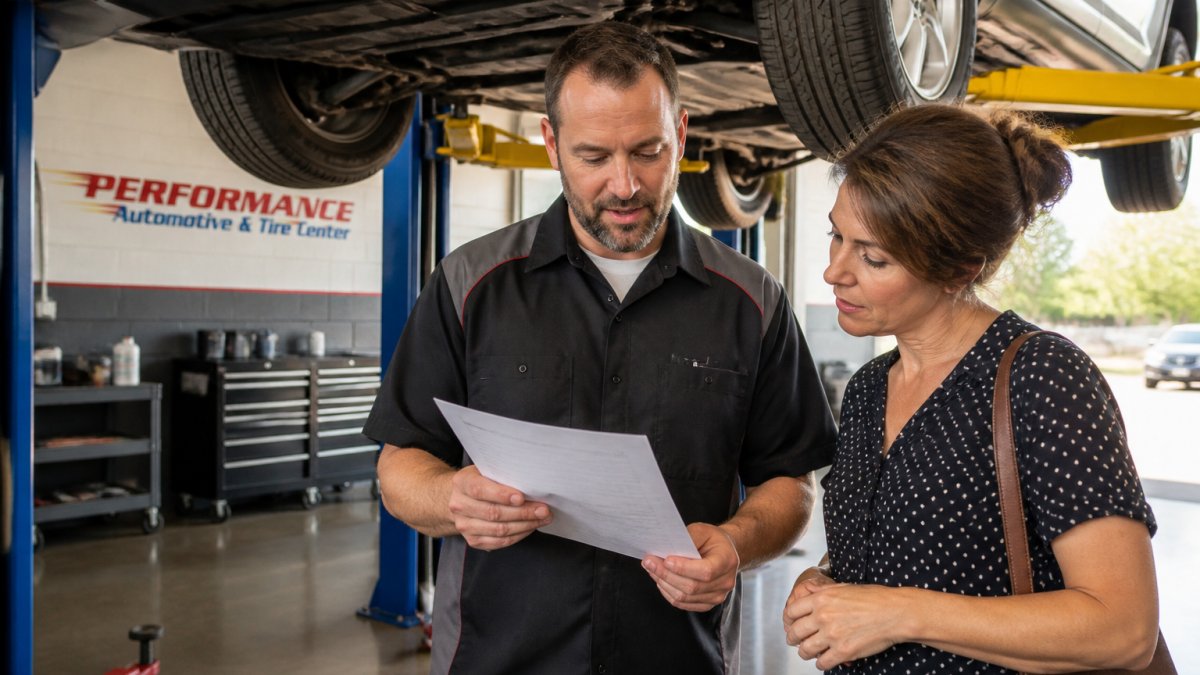
Choose a shop by verifying three things before you hand over the keys: certification, equipment, and diagnostic capability. Certification tells you the technicians passed independent testing. Equipment tells you the shop can actually service your vehicle. Diagnostic capability tells you they’ll find the real problem instead of guessing.
Start with certification. The National Institute for Automotive Service Excellence certification program credentials technicians across specific repair areas, so you can confirm the shop employs people tested in the work your car needs. Not every shop does.
Certifications, Equipment, and Diagnostic Capability
Ask these questions before booking:
- Which technicians hold current ASE certification, and in which areas?
- What diagnostic scan tools does the shop use for your make and model?
- Can the shop show you the fault codes and explain what they mean?
- Does the shop handle both mechanical and electrical issues, or refer them out?
A common mistake is choosing on price alone. The cheapest diagnosis often becomes the most expensive repair, because a misdiagnosed problem gets replaced twice.
Independent Mechanic vs. Dealership: Which Fits Your Repair?
The independent mechanic vs. dealership choice comes down to three factors: warranty requirements, vehicle complexity, and cost structure. Dealerships hold an advantage on brand-new vehicles still under factory warranty. Independent shops hold an advantage on everything else, especially older vehicles and out-of-warranty repairs.
Dealership service departments follow manufacturer procedures and use factory parts. That matters when a repair is covered under a factory warranty or a recall. For a vehicle past that window, the same repair at an independent shop typically costs less, because independent shops aren’t bound to manufacturer parts pricing.
What most guides miss is that “dealership” and “independent” aren’t quality labels. They’re business models. A certified independent shop can match dealer diagnostic capability while offering more flexibility on parts and scheduling.
Check your factory warranty paperwork before assuming you must use a dealership. Many manufacturers allow repairs at independent shops without voiding coverage, as long as the shop uses appropriate parts and documents the work.
Auto Repair Warranty Questions to Ask Before You Approve Work
Ask four auto repair warranty questions before approving any repair: what parts are covered, what labor is covered, how long coverage lasts, and whether the warranty works if you move or travel. A warranty you can’t use away from home is only half a warranty.
Call us at 480-924-7444 today! →
Parts Coverage, Labor Coverage, and Nationwide Terms
Break the warranty into its parts:
- Parts coverage: Which components are covered, and for how long?
- Labor coverage: If a covered part fails, is the labor to replace it included, or do you pay again?
- Nationwide terms: Can you use the warranty at another shop if you’re traveling?
- Exclusions: What voids coverage, such as missed maintenance or aftermarket modifications?
A nationwide warranty matters more than most drivers expect. If you commute, travel for work, or move, a warranty tied to one building is a warranty you may never use. Performance Automotive and Tire Center offers a nationwide warranty precisely because vehicles don’t stay in one place.
Get the terms in writing. A verbal promise about coverage is not something you can enforce.
What a Family-Owned Shop Offers That Chains and Dealers Do Not
A family-owned shop offers continuity: the same people diagnose your car, explain the repair, and stand behind the work. At a chain or dealership, you often talk to a service advisor who never touches the vehicle and may not be there next visit.
That continuity changes how estimates get written. In a family-run shop, the person recommending the repair is accountable to you personally, not to a corporate service quota. That’s why honest assessments and a refusal to upsell unnecessary work tend to show up more often at independent, owner-operated shops.
It also changes the practical details. Free estimates, loaner cars for longer jobs, and a single stop for tires, maintenance, and repair are the kinds of things a family shop can offer because decisions get made on site, not at a regional office.
Customers notice. As one Performance Automotive and Tire Center customer put it, “You know when you take your vehicle there, you will get an honest assessment and fair price for the work needed.” That’s the standard we hold ourselves to.
Making the Switch: Practical Steps for Your Next Repair
Switching shops takes one phone call and one document. Call the new shop, describe the symptoms, and ask for a written estimate before you commit. Bring your previous repair records if you have them, since service history helps the new shop understand what’s already been done.
Here’s the sequence we recommend:
- Gather your recent repair invoices and any current estimates.
- Call the new shop and describe the symptoms in plain language.
- Ask whether the diagnostic fee is applied to the repair if you approve it.
- Request a written, line-item estimate before authorizing work.
- Confirm warranty terms, loaner availability, and turnaround time in writing.
- Approve only the work you understand and agree to.
For drivers comparing options, the Federal Trade Commission’s guidance on auto repair is worth reading before you sign anything. It explains your right to a written estimate and your right to get replaced parts back.
One more thing worth checking: some states require shops to give you a written estimate before starting work. The USA.gov consumer complaint and protection resources can point you to the right agency if a shop won’t provide one.
Frequently Asked Questions
What are some alternatives to Faith Works Automotive for car repairs?
Look for a shop that offers the same services with clearer terms. Compare diagnostic capability, warranty coverage on parts and labor, and whether estimates are provided in writing before work begins. A family-owned facility with ASE-certified technicians can handle most maintenance and repair jobs, including electrical diagnostics on older vehicles, without the higher labor rates dealership service centers charge.
How can I get a second opinion on a car repair estimate?
Ask for a written, line-item estimate that lists each part, the labor hours, and the diagnostic fee separately. Then take that document to another shop and request the same inspection. A shop that provides free estimates will usually put its findings in writing. Compare which items are urgent safety repairs versus maintenance that can wait, and ask each shop to explain how it reached its diagnosis.
Should I choose a dealership or an independent repair shop?
Dealerships have brand-specific training and software, which helps with warranty work and newer models under factory coverage. Independent shops often cost less per labor hour and can service nearly every make and model, including older vehicles past warranty. For routine maintenance and out-of-warranty repairs, an independent shop with ASE-certified technicians and modern diagnostic equipment is a practical choice.
Do auto repair shops offer warranties on parts and labor?
Many do, but the terms vary widely. Ask whether the warranty covers both parts and labor, how long it lasts, and whether it is honored at other locations. A nationwide warranty gives you coverage if you move or break down while traveling. Get the warranty terms in writing on your invoice so there is no confusion about what is covered if a repaired component fails.
Finding a repair shop you trust shouldn’t require a leap of faith. At Performance Automotive and Tire Center, we built our family-owned shop around the things drivers actually ask for: free estimates, ASE-certified technicians, free loaner cars, and a nationwide warranty that follows you. If you’re ready to switch from a shop that leaves you guessing, call us at 480-924-7444 and get a straight answer on your next repair.
Tags: auto repair estimate second opinion, auto repair warranty questions, faith works auto, faith works auto alternative for repairs, how to choose an auto repair shop