
Last Updated: November 19, 2026
Quick Summary
The most reliable signs of failing brake calipers are a pull to one side, uneven pad wear, a soft pedal, fluid leaks, strange noises, and reduced stopping power. Heat and smell round out the list. Knowing the mechanism behind each symptom separates a real caliper diagnosis from a guess.
- A sticking caliper piston holds pressure on one side, so that wheel drags and the steering pulls.
- Compare pad thickness on both sides; a failing caliper often wears one pad down to metal.
- Crack the bleeder screw: if the wheel frees up, the hose is the likely cause, not the caliper.
- Treat a leak, smoke, or burning smell as a park-it-now signal and arrange a tow.
- Shops often recommend replacing the caliper on the opposite side of the same axle at the same time.
Table of Contents
- Why Brake Caliper Symptoms Are Easy to Misread
- The 8 Common Symptoms of Failing Brake Calipers
- Bad Brake Caliper Noise: Squealing, Grinding, and Clunking
- Signs of a Bad Caliper Piston and Sticking Versus Seized Calipers
- How to Tell If a Caliper Is Bad or the Brake Hose
- How Long Can You Drive With a Bad Brake Caliper?
- Safe Diagnostic Checks and Repair Decisions
- Book a Brake Inspection With ASE-Certified Technicians
- Frequently Asked Questions
Why Brake Caliper Symptoms Are Easy to Misread
A brake caliper is the clamp that squeezes your brake pads against the rotor to stop your car. When it starts to fail, it rarely announces itself with one clear signal.
That is why so many drivers keep driving on a failing caliper for weeks.
Below, we’ll show you exactly how to read the warning signs before a cheap fix turns into an expensive one.
The 8 Common Symptoms of Failing Brake Calipers
The most reliable signs of failing brake calipers are a pull to one side, uneven pad wear, a soft pedal, fluid leaks, strange noises, and reduced stopping power. Heat and smell round out the list. What separates a real caliper diagnosis from a guess is knowing the mechanism behind each symptom and which ones you can actually measure at home.
Here is the full symptom checklist:
- Vehicle pulls to one side when braking
- Uneven brake pad wear between sides
- One wheel runs hotter than the others
- Soft or spongy brake pedal
- Brake fluid leak near a wheel
- Squealing, grinding, or clunking noise
- Reduced braking power
- Burning smell after short drives
Vehicle Pulls to One Side
A sticking caliper piston holds pressure on one side, so that wheel drags. You will feel the steering pull toward the affected side, often without touching the brake pedal. If the pull disappears when you brake and returns after, suspect a caliper before an alignment issue. A pull that only appears under braking and tracks straight otherwise points more toward a frozen slide pin or a collapsed hose than toward alignment.
Uneven Brake Pad Wear and Overheating Wheels
Compare pad thickness on both sides of the car. A failing caliper often wears one pad down to metal while the opposite pad still has life. After a normal drive, carefully feel each wheel near the rim. One noticeably hotter wheel points to brake drag from a sticking caliper. A common pattern is a front wheel that is too hot to touch after a short trip while the other three are warm but comfortable.
Soft Pedal, Fluid Leaks, and Reduced Braking Power
A spongy pedal usually means air or fluid loss in the brake system. Look for wet, oily residue on the inside of the tire or a low fluid level in the reservoir. Any fluid leak is a stop-driving condition, not a wait-and-see item. Reduced braking power without a leak can still come from a caliper that is not clamping evenly, so do not assume the master cylinder is at fault until the calipers and hoses are ruled out.
What You Can Actually Measure
Most drivers can check three things safely without removing parts: wheel temperature after a short drive, pad thickness through the wheel spokes with a flashlight, and brake fluid level in the reservoir. A professional inspection adds piston movement, slide-pin condition, and a brake-drag check on a lift. No single symptom proves a caliper has failed, which is why the next sections focus on telling caliper failure apart from the problems that mimic it.
Bad Brake Caliper Noise: Squealing, Grinding, and Clunking
Bad brake caliper noise changes with the failure type. A squeal often means the pad is worn thin from dragging. Grinding means metal is contacting the rotor. A clunk over bumps can point to worn slide pins or a loose caliper mount.
Pay attention to when the sound happens. Noise only while braking suggests pad or rotor contact. Noise while driving straight, with no pedal input, suggests the caliper is not releasing. That second pattern is the one that overheats wheels and warps rotors.
Signs of a Bad Caliper Piston and Sticking Versus Seized Calipers
The signs of a bad caliper piston are a dragging wheel, a pull, and uneven pad wear on one side. A sticking caliper still moves but releases slowly. A seized caliper does not release at all, and the wheel may lock up or smoke.
The difference matters for repair scope:
- Sticking: piston or slide pins bind; often repairable with cleaning and new hardware
- Seized: piston is frozen in the bore; caliper replacement is the usual fix
- Leaking: piston seal fails; fluid escapes and pressure drops
Watch out: a leaking caliper can empty the reservoir over time, and a low reservoir means reduced braking across the whole system, not just one wheel.
How to Tell If a Caliper Is Bad or the Brake Hose
A collapsed brake hose can mimic a bad caliper almost exactly. The hose fails internally and acts like a one-way valve, holding pressure at the wheel. The test is simple: crack the bleeder screw. If the wheel frees up and spins normally, the hose is the likely cause. If the wheel stays tight, the caliper is the problem.
This is the single most common misdiagnosis we correct. Replacing a good caliper does not fix a bad hose, and the drag returns within days.
How Long Can You Drive With a Bad Brake Caliper?
You should not drive far on a seized or leaking caliper. A dragging caliper builds heat fast, and heat warps rotors, boils brake fluid, and can lead to wheel lockup. Treat a leak, smoke, or a burning smell as a park-it-now signal.
A mildly sticking caliper may allow a short, gentle trip to a shop. If you want to understand what the repair should cost before you commit, see our guide on what car repair really costs and how to judge a quote.
Stop-Driving Conditions
Park the vehicle and arrange a tow if you notice any of the following:
- Brake fluid dripping or pooling near a wheel
- Smoke from a wheel well, or a burning smell that returns after a short drive
- Steering that pulls hard enough to require constant correction
- A pedal that sinks toward the floor or feels spongy
- A wheel that is too hot to touch after a normal drive
- Grinding metal-on-metal noise while braking
These are not wait-and-see items. A caliper that has overheated can boil the brake fluid, and boiled fluid introduces air that reduces braking across the whole system, not just one wheel.
Caliper Failure Versus Look-Alike Problems
A collapsed brake hose can mimic a bad caliper almost exactly. The hose fails internally and acts like a one-way valve, holding pressure at the wheel. The test is simple: crack the bleeder screw.
Other symptoms overlap with caliper failure in ways that send drivers toward the wrong part:
- Seized slide pins: cause uneven pad wear and drag on one side, but the piston itself may move freely. Cleaning and new hardware often fix it without a new caliper.
- Worn pads or scored rotors: produce grinding and noise, but usually on both sides of the axle rather than one wheel.
- Master-cylinder problems: can cause a soft pedal or a pull, but typically affect the whole system rather than a single corner.
- Wheel-bearing noise: can sound like a clunk or hum that drivers mistake for caliper noise, but it changes with vehicle speed rather than brake application.
A caliper can also fail without an obvious fluid leak. A piston that sticks and releases slowly will overheat the wheel and wear the pad unevenly while the seal still holds. That is why temperature and pad-wear comparisons matter as much as a visual leak check.
Repair Scope: One Caliper or a Pair?
When one caliper has seized or leaked, many shops recommend replacing the caliper on the opposite side of the same axle at the same time, because matched braking force on both sides keeps the car straight under hard braking. Pads and rotors on that axle usually need attention too if the dragging caliper has worn or overheated them. Brake fluid should be replaced if the system was opened or if the fluid shows signs of overheating.
Safe Diagnostic Checks and Repair Decisions
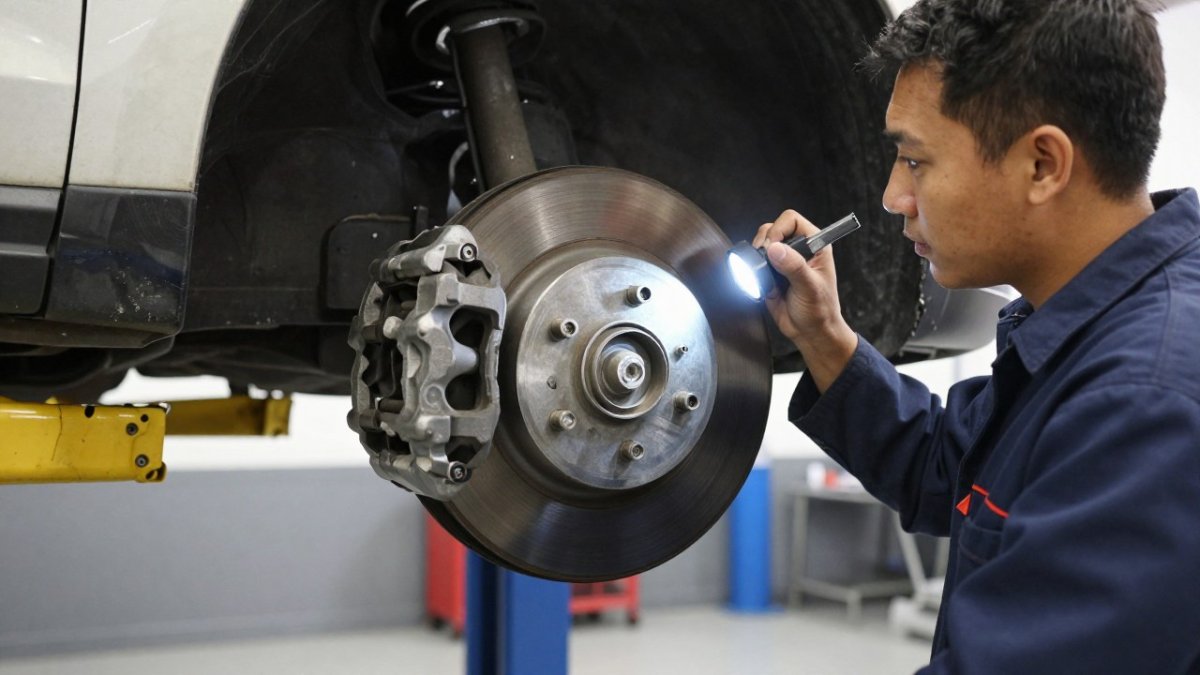
Start with a visual inspection: wheel off, pads compared side to side, rotor surface checked for scoring, and the caliper and hose checked for wet spots. Then confirm with a spin test and a bleeder-screw test before buying parts.
A common mistake is replacing pads only. If the caliper sticks, new pads wear out fast and you pay twice.
Sticking, Seized, or Leaking: Matching the Symptom to the Fix
| Symptom | Likely Cause | Usual Fix |
|---|---|---|
| Pull to one side, hot wheel | Sticking piston or slide pins | Clean, lubricate, or replace caliper |
| Uneven pad wear | Dragging caliper | Caliper service plus new pads |
| Soft pedal, low fluid | Leaking piston seal | Caliper replacement and bleed |
| Wheel tight after braking | Collapsed hose | Replace hose, then retest |
| Grinding, metal contact | Worn pad from drag | Pads and rotor inspection |
If you are choosing replacement parts, our guide on how to choose the right brake parts for your vehicle walks through matching compounds and hardware to your driving. To see how a written estimate should be built, read the 7 steps to get a car repair estimate.
Book a Brake Inspection With ASE-Certified Technicians
Guessing at a caliper problem can add cost. A proper inspection helps identify which part has failed, so you can focus on the repairs your car needs.
Our ASE-certified technicians can check pads, rotors, calipers, hoses, and fluid during an inspection. If you have been weighing dealer service against an independent shop, our breakdown of alternatives to dealership brake service covers the trade-offs. You can also read how to find an ASE-certified mechanic before you book.
Call us at 480-924-7444 to schedule your brake inspection.
Brake symptoms rarely fix themselves, and a dragging caliper gets worse with every mile. If your car pulls, squeals, or smells hot after a short drive, let us look at it before a small repair becomes a big one.
Frequently Asked Questions
How can you tell if your brake calipers are bad?
The clearest signs are a vehicle that pulls to one side when braking, uneven brake pad wear, a spongy pedal, fluid around the caliper, and grinding or clunking noise. A sticking caliper often leaves one wheel hotter than the others after a short drive. Because these symptoms overlap with worn hoses, collapsed lines, and rotor problems, a visual inspection on a lift confirms whether the caliper itself is at fault.
Is it okay to replace only one brake caliper?
Replacing one caliper is acceptable when the other side is healthy and passes inspection, but brakes should be replaced in pairs when wear and age are similar. Mismatched calipers can cause uneven braking power and pull. A technician should check the opposite caliper for sticking, leaks, and piston condition before deciding. On higher-mileage vehicles, pairing the replacement with new pads and rotors on both sides usually costs less over time.
How long can you drive with a bad brake caliper?
Treat a bad caliper as urgent. A sticking or seized caliper can overheat the rotor, warp it, and extend stopping distance, and a leaking caliper can drop brake fluid and cause a soft pedal. Drive only to a shop or arrange a tow. Continuing to commute on a failing caliper risks rotor damage, wheel lockup, and higher repair costs.
Can a bad brake caliper cause vibration?
Yes. A sticking caliper holds the pad against the rotor, building heat that warps the rotor and produces vibration through the pedal and steering wheel. The vibration often appears after several miles of driving and fades when the brake cools. If vibration returns after new rotors, the caliper is usually the cause and should be tested before another rotor replacement.


