
Table of Contents
- What Auto Repair Shops With Loaner Cars Offer
- How to Schedule Car Maintenance and Request a Loaner Vehicle
- Eligibility Requirements and What You Need to Qualify
- Loaner Car Insurance Requirements and Liability Coverage
- Benefits of ASE-Certified Mechanics at Repair Shops
- Loaner Car Usage Guidelines and What to Expect
- Why Choose a Shop With Loaner Cars Over Dealerships
- Conclusion
- Frequently Asked Questions
Last Updated: September 30, 2026
What Auto Repair Shops With Loaner Cars Offer
Auto repair shops with loaner cars provide a critical service that keeps your daily life moving while your vehicle gets fixed. When you drop off your car for maintenance or repairs, you don’t have to arrange alternative transportation or sit in a waiting room. Instead, you drive away in a loaner vehicle, typically a late-model car maintained to the same standards as your own.
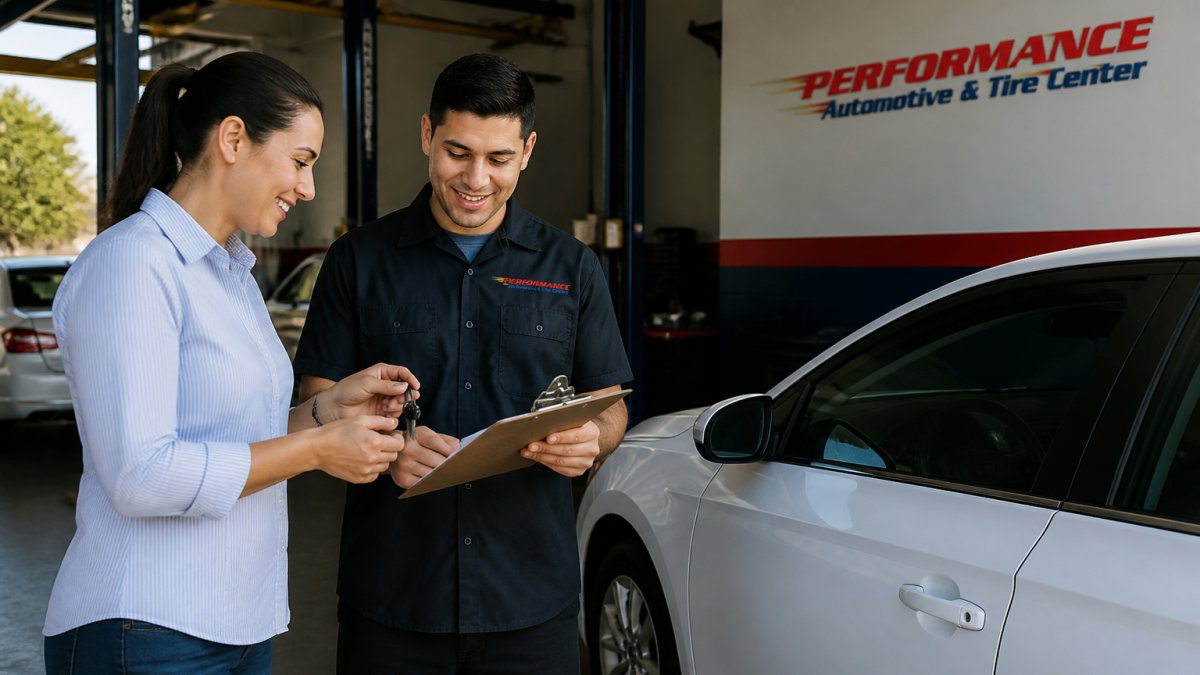
Having access to a loaner eliminates the stress of being stranded while your car is serviced. Performance Automotive and Tire Center offers free loaner cars as part of its commitment to customer convenience.
The loaner car program typically covers routine maintenance appointments and collision repair work. Most shops maintain a small fleet of vehicles to rotate through customers, ensuring availability during peak service periods. These vehicles are insured, fueled, and ready to use the moment you need them.
Loaner car programs signal that a shop prioritizes customer experience and has invested in efficient operations to support quick turnaround times.
How to Schedule Car Maintenance and Request a Loaner Vehicle
Scheduling a service appointment and requesting a loaner car is straightforward, though the exact process varies by shop. Most facilities handle requests during the initial appointment booking, either by phone or through their website.
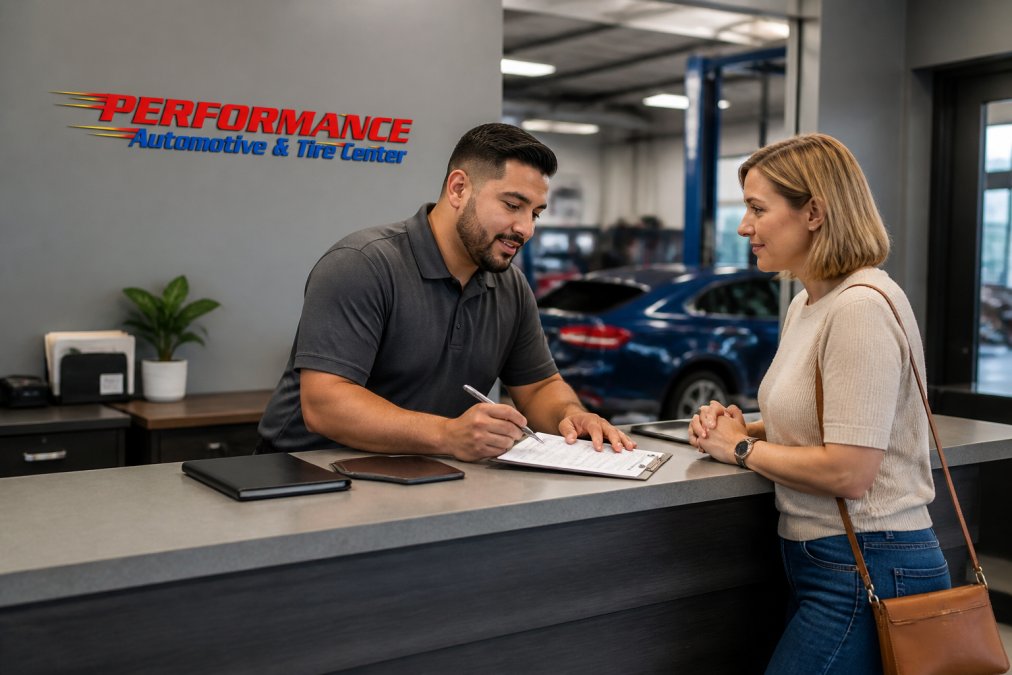
Call your preferred auto repair shop or visit their website to check availability. Mention that you need a loaner vehicle, and specify your vehicle type preference if the shop offers options.
Arrive a few minutes early to complete a brief rental agreement outlining fuel expectations, mileage limits, and usage restrictions.
You’ll receive the loaner car keys and documentation. The shop will update you on repair progress and provide a contact number for questions.
You can call ahead to reserve a loaner before your appointment, ensuring a vehicle is held for your specific date.
Eligibility Requirements and What You Need to Qualify
Loaner car availability depends on several factors, and not every vehicle owner qualifies under the same terms. Understanding these requirements helps you plan accordingly and avoid disappointment on service day.
Most shops require a valid driver’s license and proof of active auto insurance to confirm legal driving status and verify coverage.
Age requirements vary by shop, typically 18-25 years old, depending on insurance policy.
Shops typically verify you don’t have multiple recent traffic violations or suspended licenses. A clean record or one without serious violations is standard.
Insurance coverage is non-negotiable. You must carry active auto insurance on your own vehicle. The shop’s insurance covers the loaner during the rental period, but your personal policy provides the primary liability layer. If you’re uninsured, most shops will decline the loaner and suggest alternative transportation.
Some shops limit loaners to service appointments of a certain duration to manage fleet availability.
Loaner Car Insurance Requirements and Liability Coverage
Understanding insurance liability prevents disputes if an accident occurs while driving a loaner.
The repair shop’s insurance covers the loaner vehicle against theft, weather damage, and accidents. Your personal auto insurance serves as secondary coverage.
Your personal auto insurance serves as secondary coverage. If you cause damage to the loaner, your insurance typically covers the deductible and any damages exceeding the shop’s coverage limits. Your policy applies to any vehicle you operate, including loaners, provided you have permission to drive it.
Liability waivers you sign at the shop clarify responsibility for specific scenarios. The waiver typically states that you’re responsible for damage caused by negligent driving, accidents resulting from speeding, reckless behavior, or traffic violations. Normal wear and tear, mechanical failures, and weather-related damage fall under the shop’s insurance.
If you’re involved in an accident while driving a loaner, report it immediately to the shop. Don’t delay. The shop needs to file a claim with its insurer while the incident is fresh. You’ll also need to report the accident to your own insurance company, as it may affect your rates depending on fault determination.
Some shops require customers to carry a minimum liability limit, typically $100,000 per person, $300,000 per accident. Check your policy before your appointment. If your coverage falls below the shop’s requirement, ask about alternative arrangements before service day.
Call us at 480-924-7444 today! →
Rental agreements usually include a damage waiver option. For a small fee, you can purchase additional coverage that limits your financial responsibility for accidental damage. This option is worth considering if you’re nervous about driving an unfamiliar vehicle or if your insurance deductible is high.
Benefits of ASE-Certified Mechanics at Repair Shops
When you leave your vehicle with a repair shop, you’re trusting technicians with a significant asset. ASE certification, Automotive Service Excellence, is the gold standard that separates qualified mechanics from untrained workers.
ASE-certified technicians have passed rigorous exams covering specific repair areas. Certifications exist for engine repair, transmission, brake systems, electrical systems, and a dozen other specialties. Each exam requires hands-on experience, typically 2 years minimum, plus passing a comprehensive written test. This combination ensures certified mechanics understand both theory and real-world application.
The benefit to you is accuracy. ASE-certified technicians diagnose problems correctly the first time more often than uncertified workers. They follow manufacturer specifications and industry best practices. When a certified mechanic says your transmission needs rebuilding, that assessment carries weight because it’s backed by demonstrated expertise.
Certification also means accountability. ASE maintains records of certified technicians and can revoke certification for misconduct or repeated failures. This system creates incentive for mechanics to maintain high standards. A shop staffed with ASE-certified technicians has invested in quality and stands behind that commitment.
Performance Automotive and Tire Center employs ASE-certified technicians across all service areas. This credential matters when you’re deciding between shops, especially for complex repairs. Certified mechanics can handle electrical issues, engine diagnostics, transmission work, and brake system repairs with equal competence.
Another benefit is warranty coverage. Many manufacturers and parts suppliers offer extended warranties only when repairs are performed by certified technicians. This protection adds value to your repair investment and provides recourse if something goes wrong after service.
Loaner Car Usage Guidelines and What to Expect
Loaner vehicles come with specific usage rules. Understanding these guidelines prevents misunderstandings and protects both you and the shop.
Most shops restrict loaner use to personal transportation only. You cannot use the loaner for commercial purposes, rideshare driving, or towing. These restrictions exist because commercial use exposes the vehicle to higher wear and liability risk. If you need a vehicle for work purposes, discuss alternatives with the shop before your appointment.
Fuel policy varies by shop. Some shops provide a full tank and expect you to return it full. Others charge a fuel fee if you return the loaner empty. A few shops allow you to return it at the fuel level you received it. Clarify this expectation during your appointment, it’s one of the most common sources of confusion.
Mileage limits are typical. Most shops allow unlimited local driving but restrict long-distance trips. A common threshold is 100-150 miles per day. If your commute is lengthy or you need to travel out of town, mention this when scheduling. The shop may accommodate you or suggest a different arrangement.
You’re responsible for basic vehicle care during the loaner period. Don’t ignore warning lights or unusual sounds. Return the vehicle in the same condition you received it. Normal wear is expected, but excessive dirt, damage, or neglect can result in charges.
Smoking is prohibited in most loaner vehicles. This policy protects the vehicle’s interior and respects the next customer. The same applies to eating or drinking, spills damage upholstery and create liability issues.
Return the loaner on time.
Why Choose a Shop With Loaner Cars Over Dealerships
The choice between independent repair shops and dealerships involves several trade-offs. Loaner car availability is just one factor, but it reveals important differences in how these businesses operate.
Conclusion
Auto repair shops with loaner cars solve a real problem: how to maintain your vehicle without disrupting your life. The convenience of having transportation while your car is being serviced is worth seeking out when you choose where to take your vehicle.
| Loaner Program Feature | What It Means |
|---|---|
| Free loaner vehicles | No daily rental charges while your car is serviced |
| ASE-certified mechanics | Accurate diagnostics and quality repairs on first attempt |
| Flexible scheduling | |
| Nationwide warranty | Coverage on repairs regardless of where you travel |
| Honest assessments | No pressure to approve unnecessary work |
Frequently Asked Questions
Do auto repair shops actually provide complimentary loaner cars?
Yes, many auto repair shops with loaner car programs offer complimentary courtesy vehicles while your car is in service. Availability depends on the shop’s fleet size and current demand. Some shops reserve loaner cars for longer repair jobs, while others provide them for all service appointments. When you call to schedule your service appointment, ask specifically about loaner car availability for your repair duration. Shops that invest in loaner car programs do so to improve customer convenience during the repair process.
What are the typical eligibility requirements to qualify for a loaner vehicle?
Most shops require a valid driver’s license, proof of insurance, and a signed rental agreement before providing a loaner car. Some shops may check your driving record or require you to be at least 25 years old. You’ll typically need to provide a credit card for the reservation. Eligibility can vary by shop, so confirm requirements when scheduling your service appointment.
What does loaner car insurance coverage include, and am I liable for damage?
Most shops’ loaner car programs carry liability coverage through their commercial auto insurance policy. However, you may be responsible for damage beyond normal wear and tear, depending on the rental agreement you sign. Your personal auto insurance may also cover loaner vehicles, so check your policy before service. The shop should clearly explain liability waiver terms and insurance coverage limits when you pick up the loaner. Always review the rental agreement carefully and ask questions about what’s covered before driving off the lot.
How far in advance should I request a loaner car when scheduling maintenance?
Request your loaner car when you schedule your service appointment, ideally at least a few days ahead. For major collision repair or extended mechanical repair work, request it as soon as you know you’ll need transportation assistance. Same-day requests may not be possible if the shop’s fleet is fully booked. Mentioning your loaner car need upfront helps the service center plan fleet management more effectively and ensures vehicle availability. Shops with robust loaner car programs typically accommodate requests if given reasonable notice.

